 24th November 10am – 4pm
Pensthorpe Natural Park
24th November 10am – 4pm
Pensthorpe Natural Park
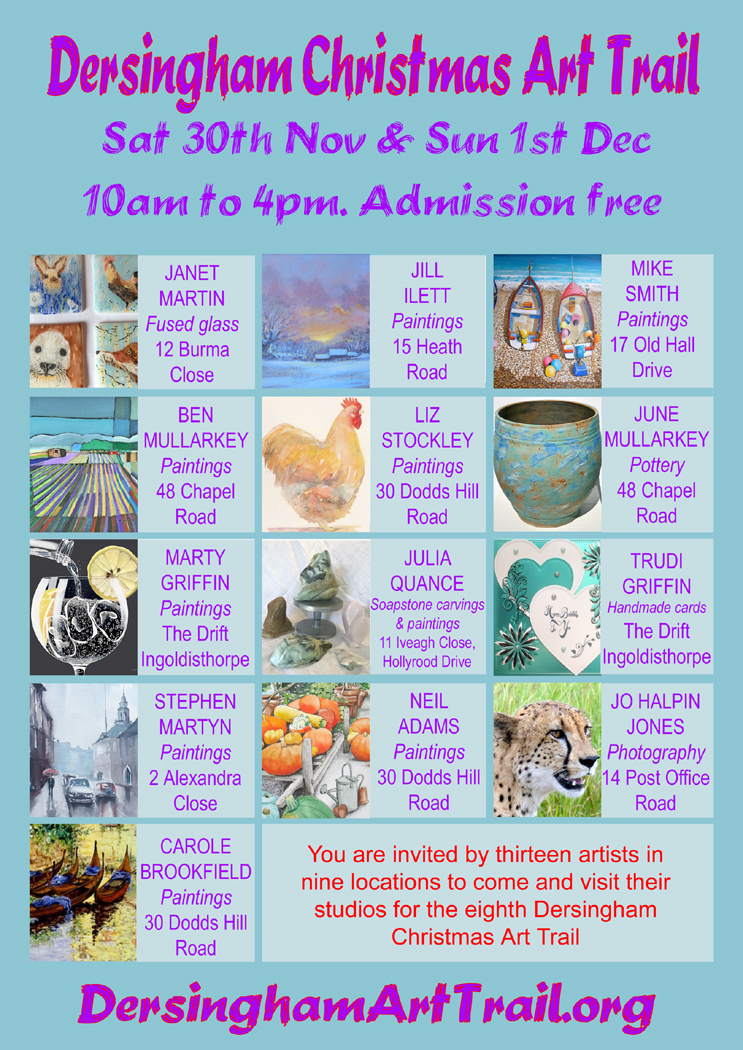 Artists in Dersingham are coming together again for their ninth Christmas Art Trail. Thirteen artists in nine locations, several of whom are WNAA members, will be opening up their studios on Saturday 30th November and Sunday 1st December.
WISBECH ART CLUB.
December 6th to 14th. 2019 {not open on Monday 9th}
WINTER EXHIBITION at Wisbech Museum.
Open from 10.00am to 4.00pm each day.
Free entry.
Over 100 paintings for sale.
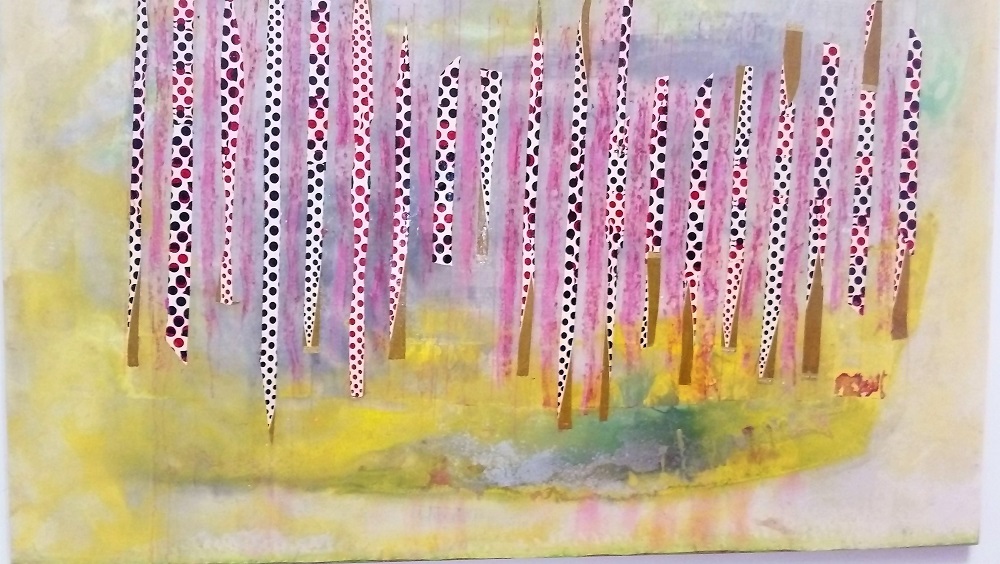
Wafting, 2018
On Saturday 17th of August my wife and I visited the wonderful retrospective exhibition of Frank Bowling’s work. Although he has been painting for sixty years this is his first retrospective. Despite much early success I did not discover Bowling till the early eighties therefore his early figurative work was new to me and I have to say that I do not find this work nearly so interesting as his abstract work which really started when he moved to New York in the mid- sixties. One aspect of this early work which did intrigue me was his use of stencils made from photos of his mother’s variety emporium in his home town. Continue reading
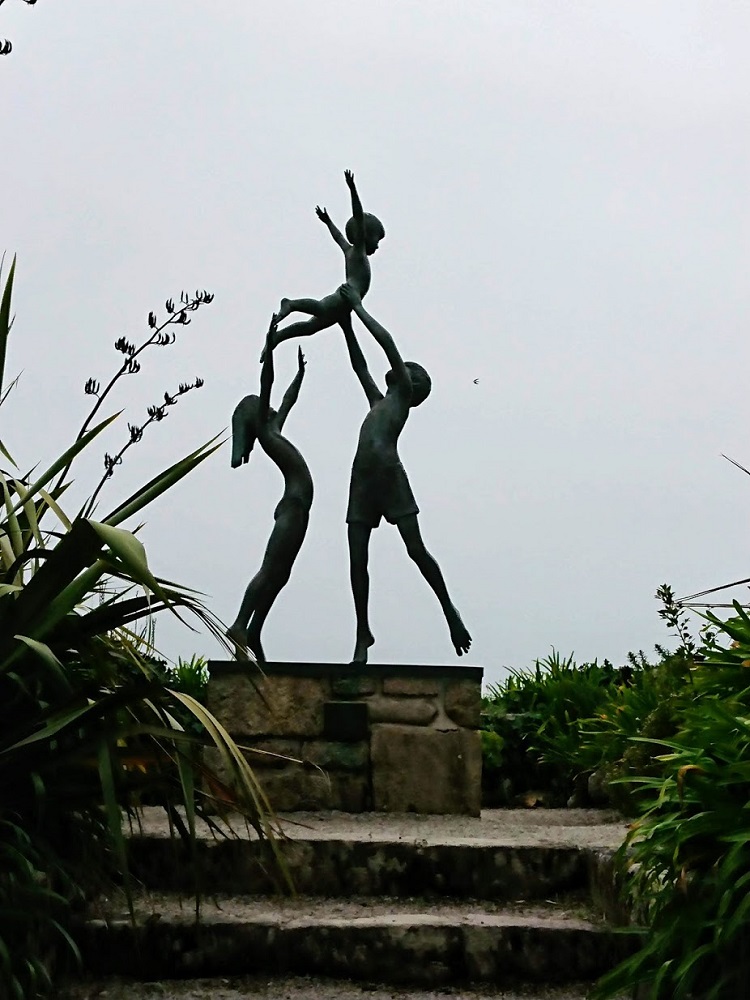 As you may have seen on the WNAA Facebook page Helen and I have been in the Isles of Scilly for a weeks R&R. I can recommend the islands as being a very interesting place to visit. We hadn’t been before, but you do need to be reasonably fit as walking is the only entertainment, but certainly very special. The Tresco island is the most interesting with lots of sea history and the gardens built on the side of a hill are splendid with plants and flora from around the world.
Tresco Abbey Gardens are located on the island of Tresco. The 17 acre gardens were established by the nineteenth-century proprietor of the islands, Augustus Smith, originally as a private garden within the grounds of the home he designed and built.


We stayed on St Marys which is the largest island, from where you can take trips to the other islands. I also managed some sketching of the beautiful surroundings.
John Walker
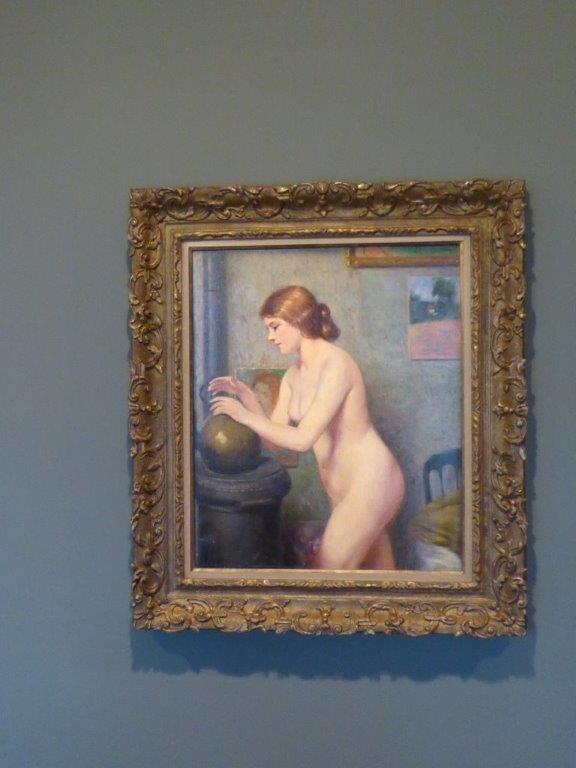 De L’Impressionnisme A Bonnard Et Picasso
Bonnard: Braque: Degas: Dufy: Kisling: Lautrec: Matisse: Modigliani: Marquet: Monet: Marie Laurencin: Pascin: Picasso: Renoir: Zandomeneghi:
Names to conjure up images in your imagination and a Not to be missed exhibition in Le Cannet this year at Musee Bonnard.
I have mentioned before how lucky I am to have a lovely daughter who lives in the Cote D’azure and how she always tries to make sure I take in an exhibition when I am with her. This time it was an amazing collection lent by the Nahmad family, of forty works never before seen together.
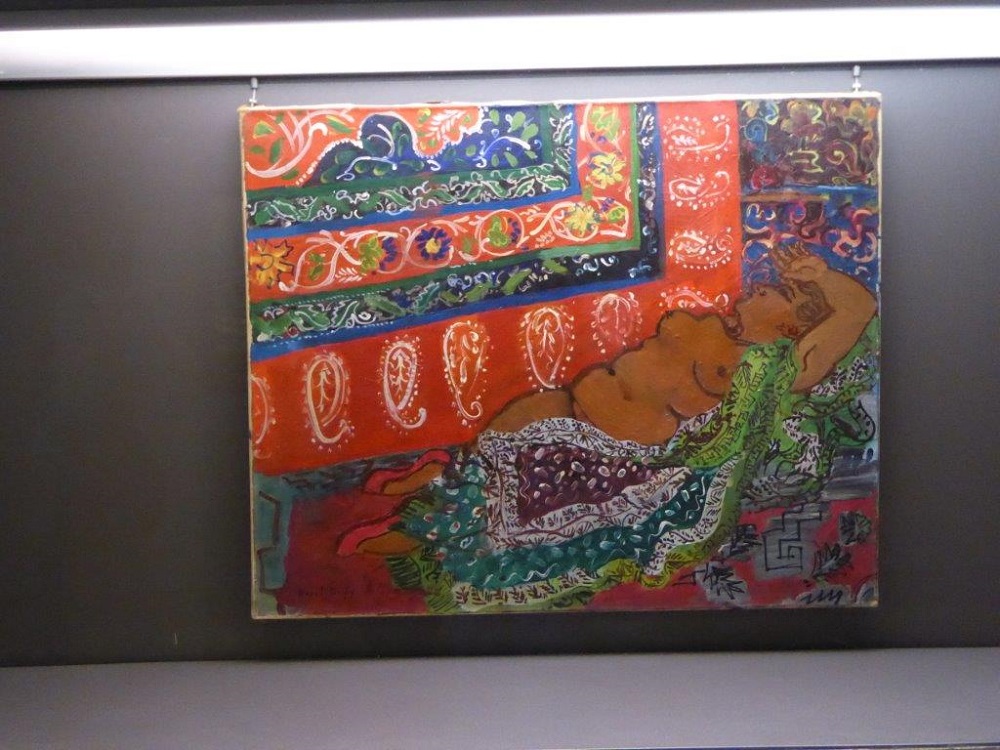 These ranged from the end of the 19th century to the beginning of the 20th century and were set over three floors, light, airy and roomy, and they were selected to highlight the exciting way that artists from different eras were interlinked, but at the same time, illustrating the contribution of each of them individually, to the history of art.
We glided silently up to the top floor in the glass lift, and then gradually worked our way down, taking time to thoroughly inspect our favourites and discuss them with my granddaughter (aged 16) who was equally enthralled with the pictures, and decided that Monet was her favourite. (She subsequently visited Musee D’Orsay in Paris last week, and decided Monet was still her favourite.)
It’s hard to describe the thrill that runs through you when you have the privilege of standing in front of the work of an old master that you really admire; it starts in my spine and runs right through my body.
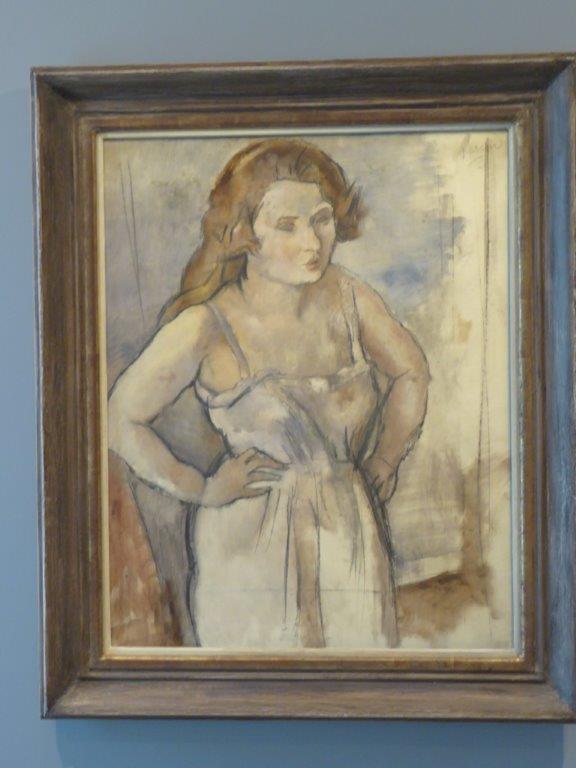 The collection was hung in such a way that each piece of work connected or enhanced the one near it. How do you hang the masters of pre-impressionism and impressionism, Picasso and Matisse, Lautrec and Dufy and Modigliani and Kisling all in one exhibition, and I think the answer was “beautifully” and connecting and enhancing each other.
Of course, I had to set off the alarm system by getting far too near to a Renoir, which I was trying to explain to my granddaughter. However, the nice invigilator forgave me.
We left very reluctantly after two hours and had a lovely lunch in a typical little French café, hung with photographs of French film stars from the past.
I just love France, and I know I shouldn’t talk politics, but I just hope and pray we don’t lose our connection with France, Spain, Portugal and all the other fabulous countries of Europe. We have so much history together, and I wish we had stayed together!
Helena Anderson
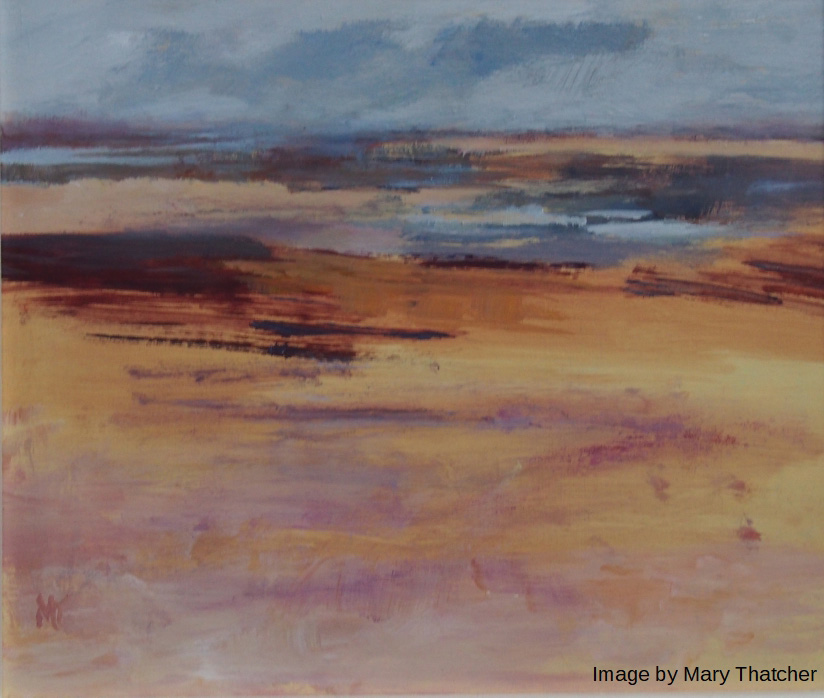
Image by Mary Thatcher
A brilliant, mixed media exhibition by thirty-five artists from across East Anglia.
Exhibition open: 10am – 4pm, Monday-Saturday https://arthebeautyclinic.com/buy-phentermine/ from Saturday 28 September – Saturday 12 October.
Admission is free.
Everyone is welcome.
Greyfriars Art Space, 43 St James Street, King’s Lynn, PE30 5BZ
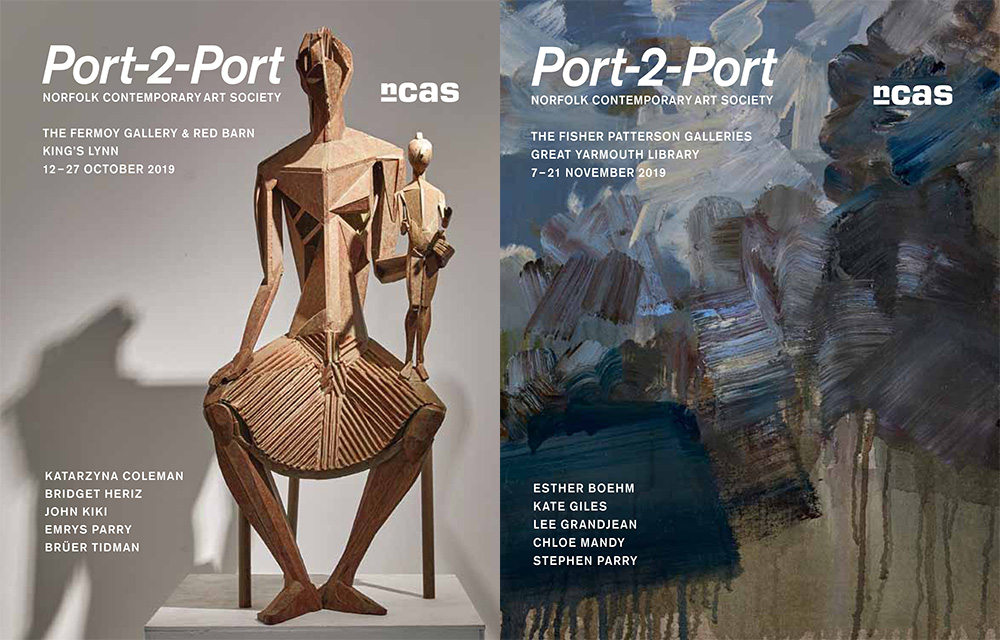
left: Bridget Heriz The Great Mother with Manchild,
right: Kate Giles Now I
Port-2-Port is a pair of connected art exhibitions that forge new cultural links
between what were once two great ports. In medieval times the two port towns
of Great Yarmouth and King’s Lynn were major players in English seaborne
trade, the former broadly facing the Low Countries and also focused on fishing,
the latter facing the Hanseatic League ports in the Baltic and with onward trade
routes inland. Continue reading

‘come into the garden’ with Lesley Williams
Several of our members spent the day at the Fermoy Gallery on Heritage Day demonstrating and engaging visitors in various activities. 670 people came through! We were there partly to flag up West Norfolk Artists Association, to help get the gallery space noticed and of course to encourage participation in the arts. We had a mini exhibition as well showing work by those who were involved.
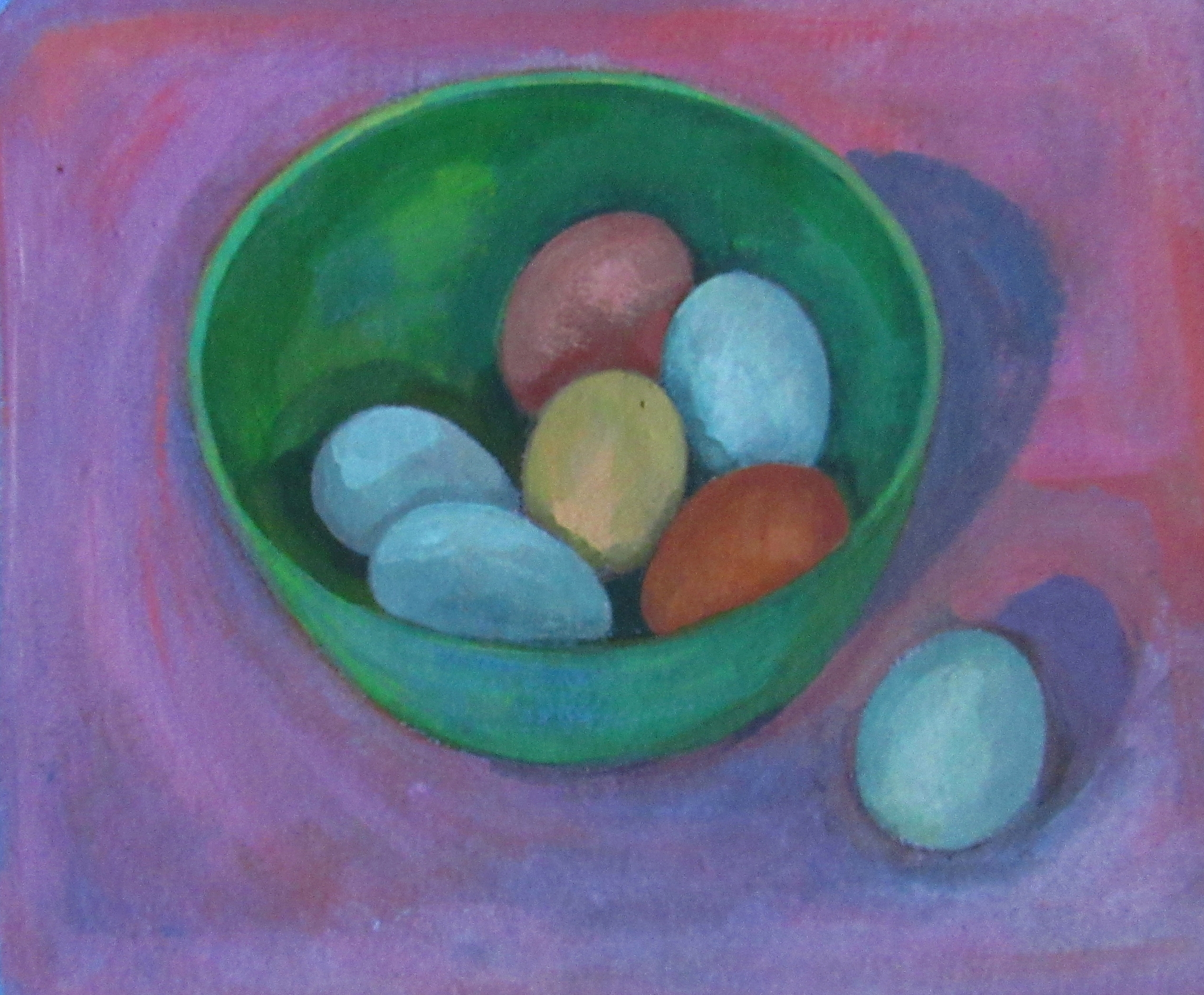 Interview with Esther Boehm
HOW DID YOUR JOURNEY AS AN ARTIST START?
I used to draw and paint as a child, my father bought me painting by numbers and although I found the images very strange with their patches of paint, I loved the process and the little pots of colour; I also loved magic painting books though I longed for them to have stronger colours. Throughout my childhood, I was enchanted by illustrations from children’s books, (especially fairy tales and Mabel Lucie Atwell drawings ) and comics. Read more …