Naked in Church

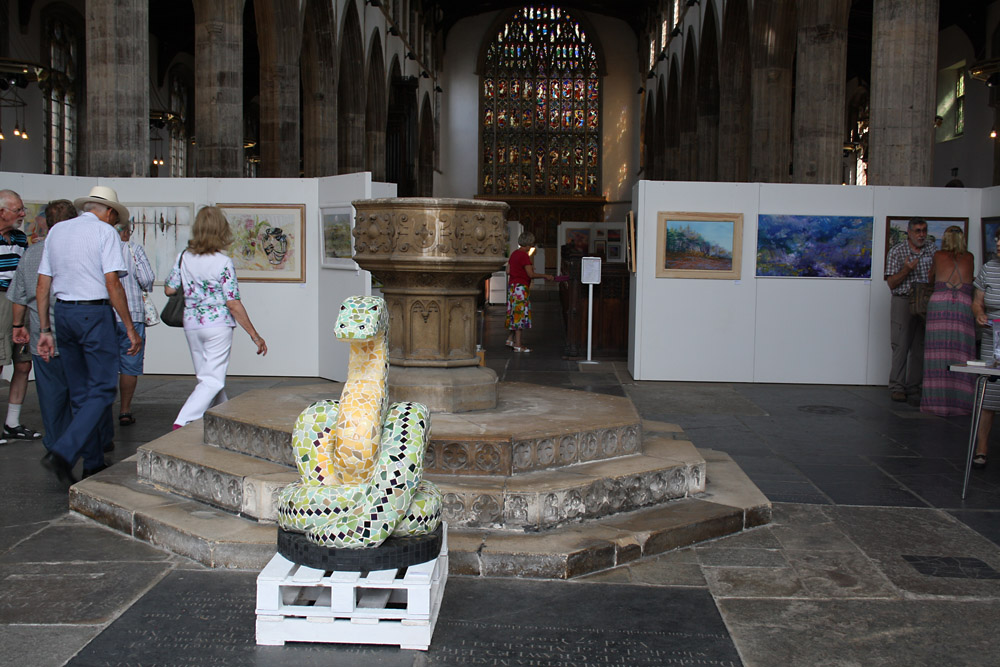
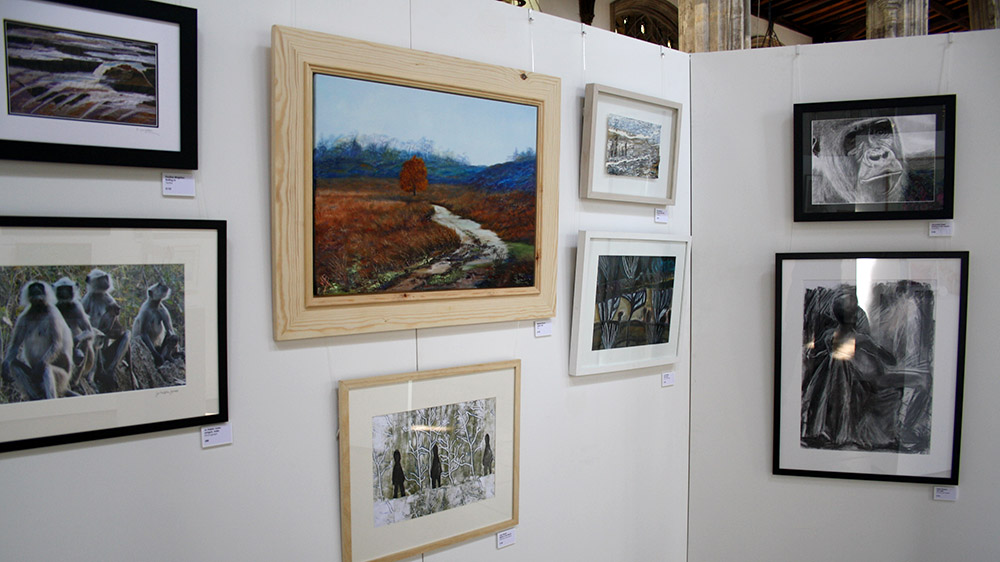
Recently on reading a news item in a national newspaper ‘Nudity Rings Alarm Bells at Cathedral’ I was prompted to write about my own experience of exhibiting art in churches since living in Norfolk. I have always felt slightly inhibited by the atmosphere of religious spaces for exhibitions, particularly having only previously exhibited in a gallery environment where I felt free to show work without boundaries or restrictions.

In the newspaper it described the four acrylic canvas works by the artist Joe Greenwood as being ‘ to in your face’ for display at Portsmouth cathedral as part of the summer show by the Portsmouth and Hampshire Art Society. A spokesman for the Diocese of Portsmouth said “ When planning the exhibition the paintings were considered to be suitable but a number of visitors and regular worshippers expressed distress about them” The nude paintings were subsequently removed and returned to Mr Greenwood. How humiliating and ridiculous particularly when one considers the ‘Sistine Chapel’ in Rome.

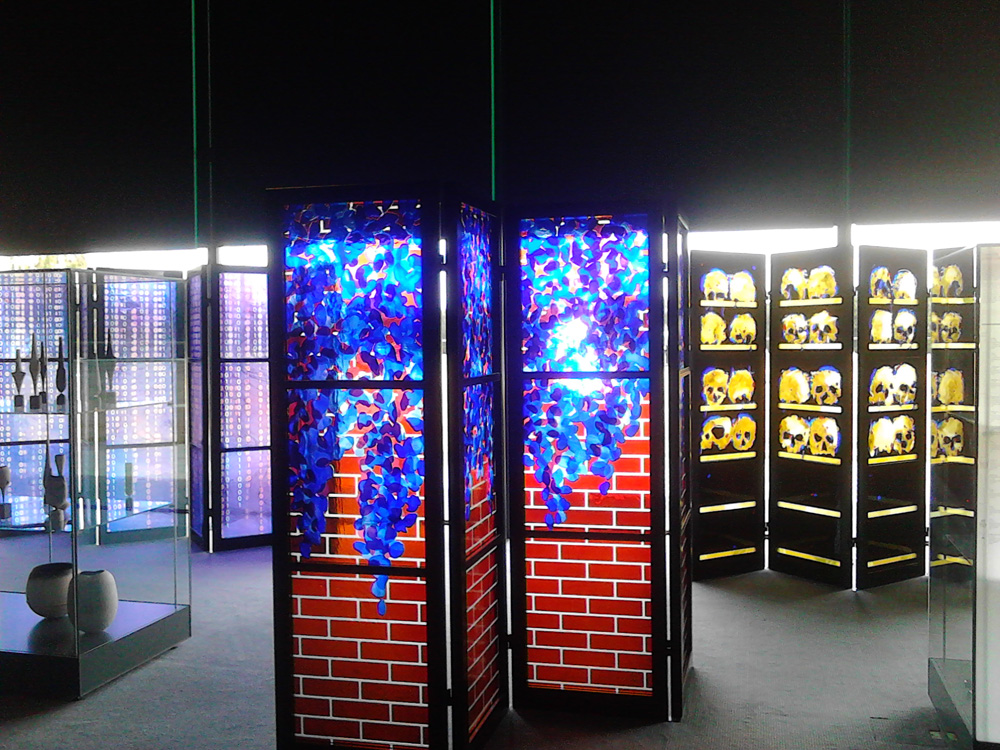
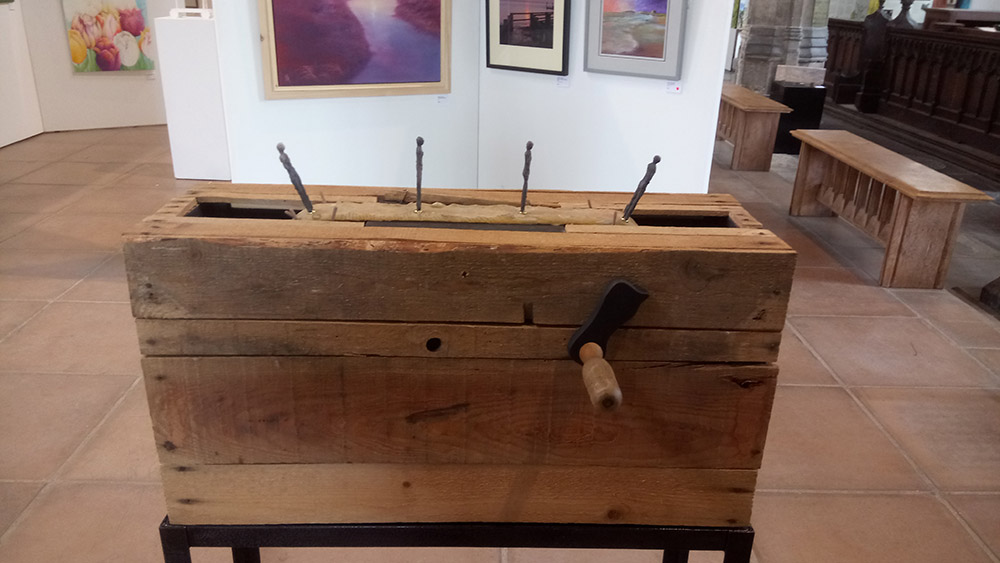
My work often depicts the human figure, male and female, but I have never exhibited these images in our Summer Exhibition in St Nicholas Chapel for this very reason but more to do with not offending the Friends of the Chapel and visitors as the congregation no longer exists. The chapel I understand is for weddings and funerals. I notice whenever nudes, usually small intimate studies , are presented the curators tend to tuck them away behind a screen not at the front to greet visitors.

The first exhibition I saw on arriving in Norfolk was at Salthouse church part of the North Norfolk Exhibition Project and this felt exciting and not inhibited by the surroundings. All manner of topics and subjects were represented including the human figure on a grand scale. Not always obvious but that was the interesting part. The church lent itself so well as an exhibition space being austere and white without too much ornamentation and offering an insight into the artistic life of Norfolk and beyond.

This autumn our exhibition will be in the Fermoy Gallery at the kings Lynn Arts Centre and a great opportunity to feel free of any restrictions on subject matter. In the past the Summer Exhibition has been held at the Arts Centre and there will hopefully be further opportunities to do so in the future.

Lydia Haines

Summer Exhibition 2018 in Pictures

July 21 to August 4, 2018
Open daily 10.30am–4.00pm.

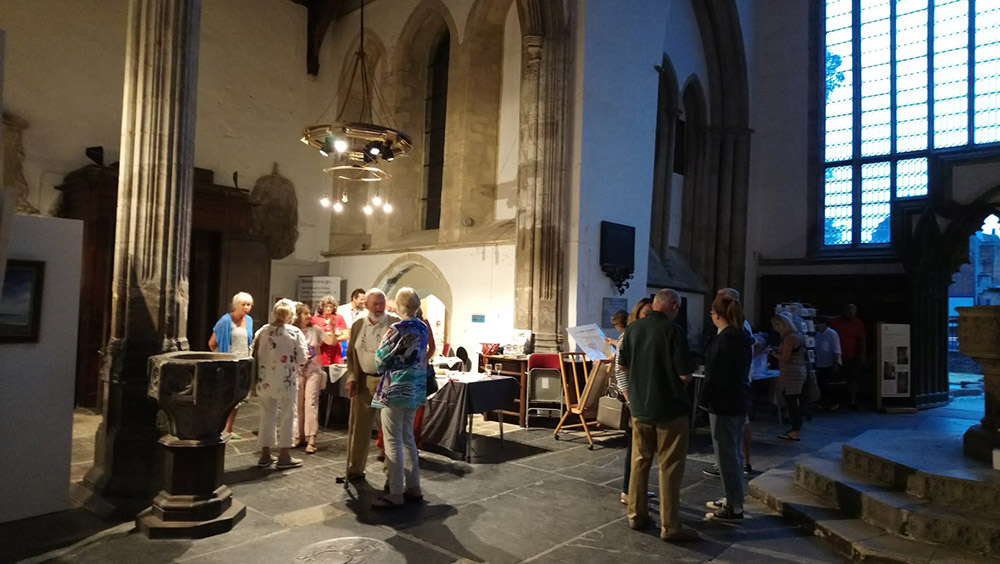
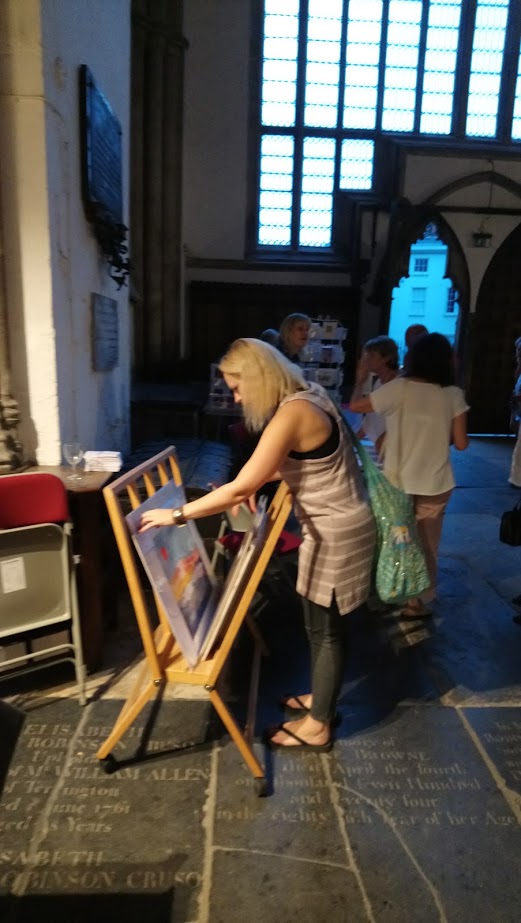
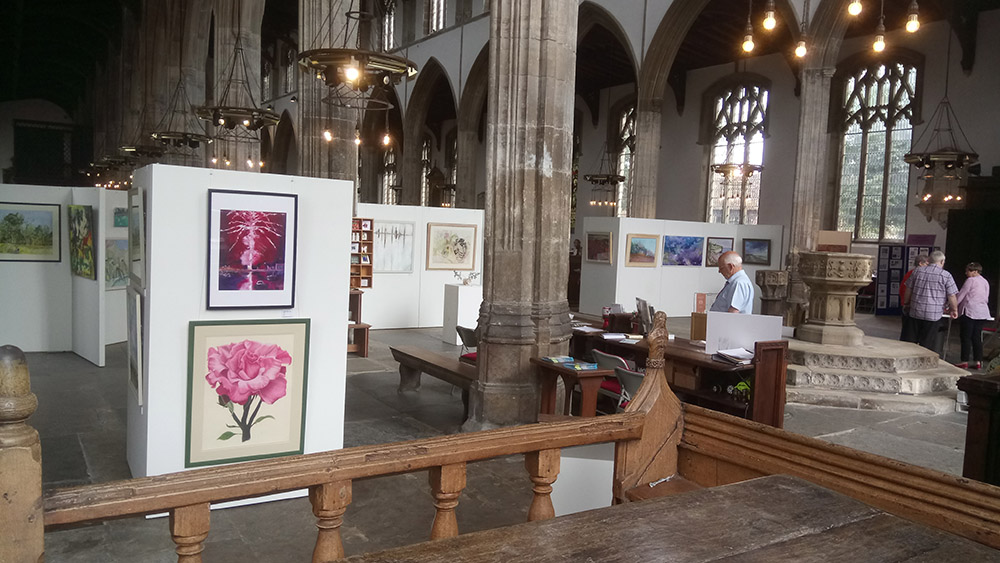
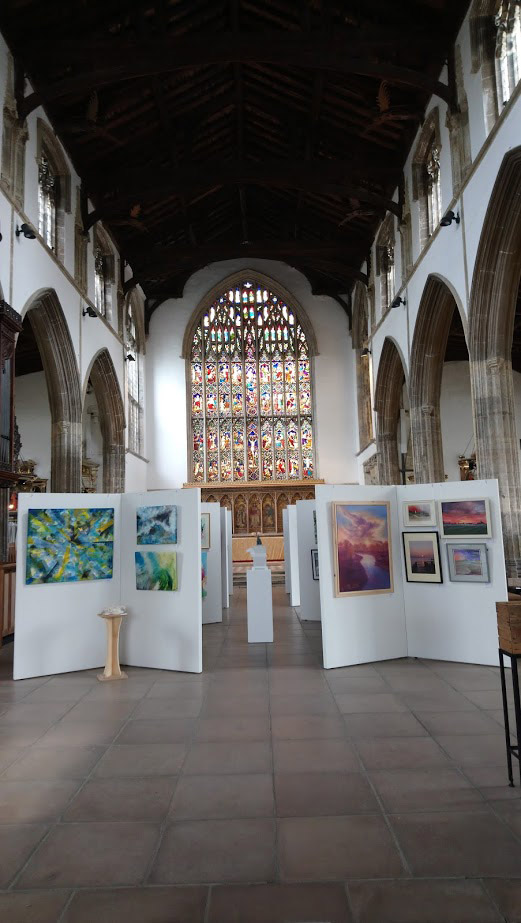
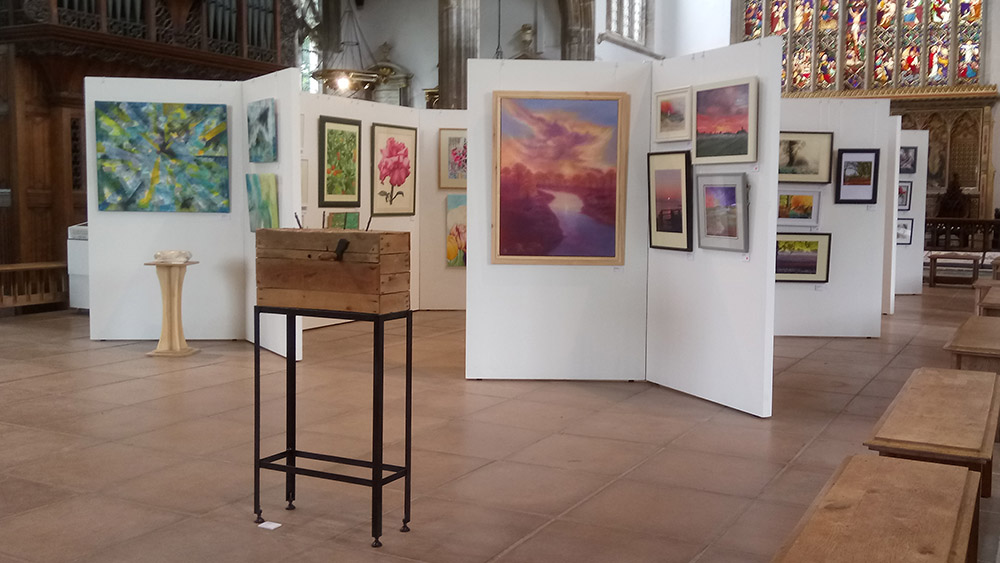
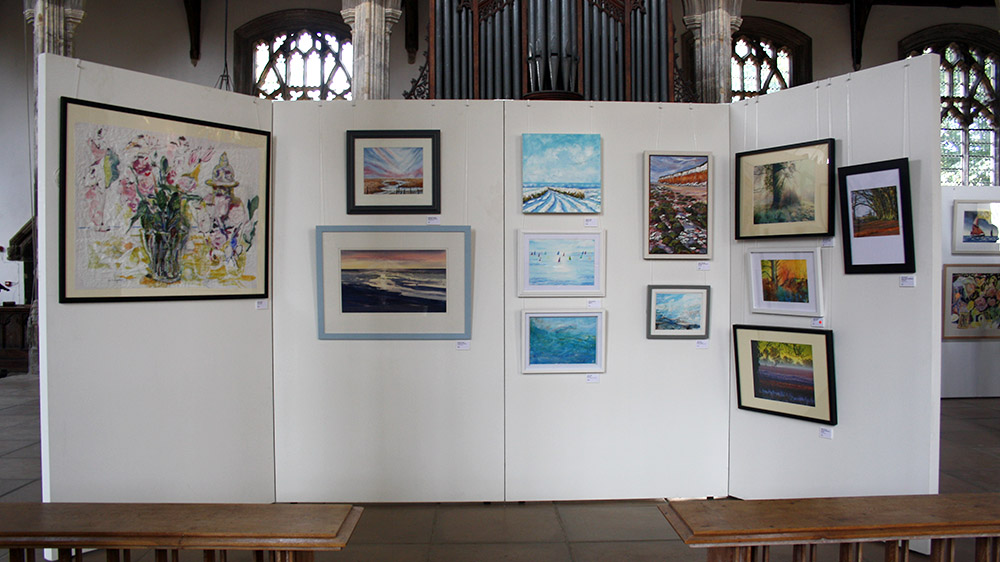
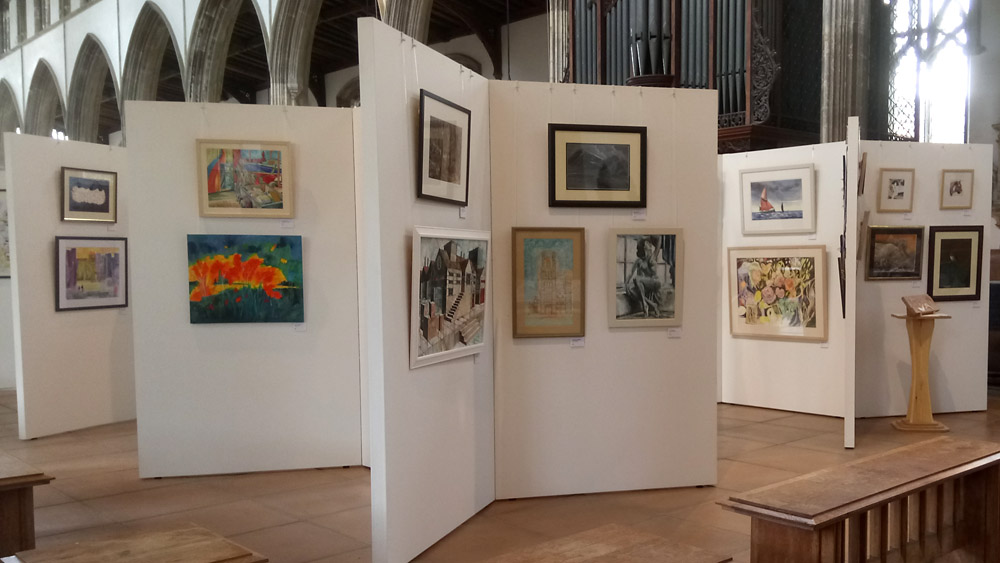
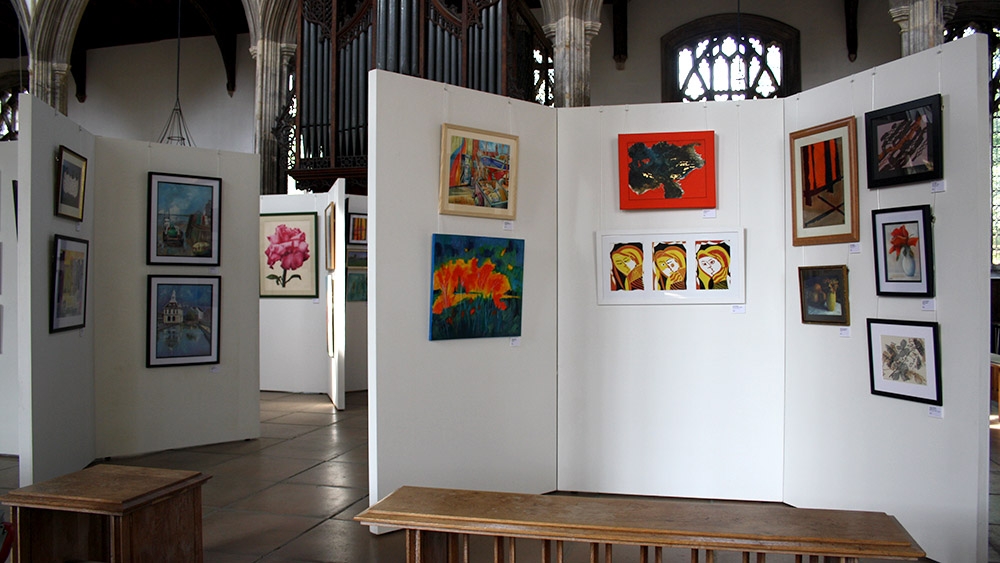
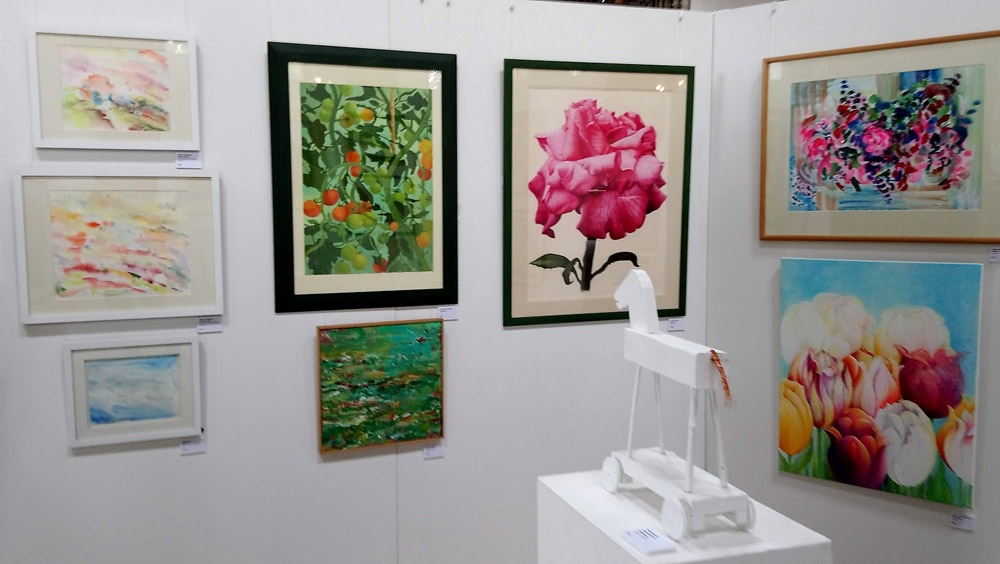
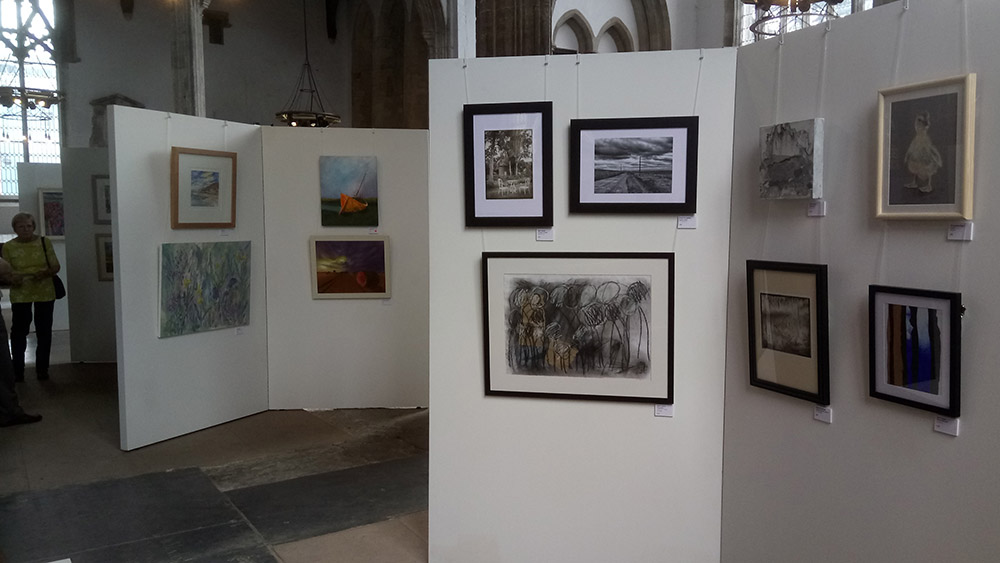
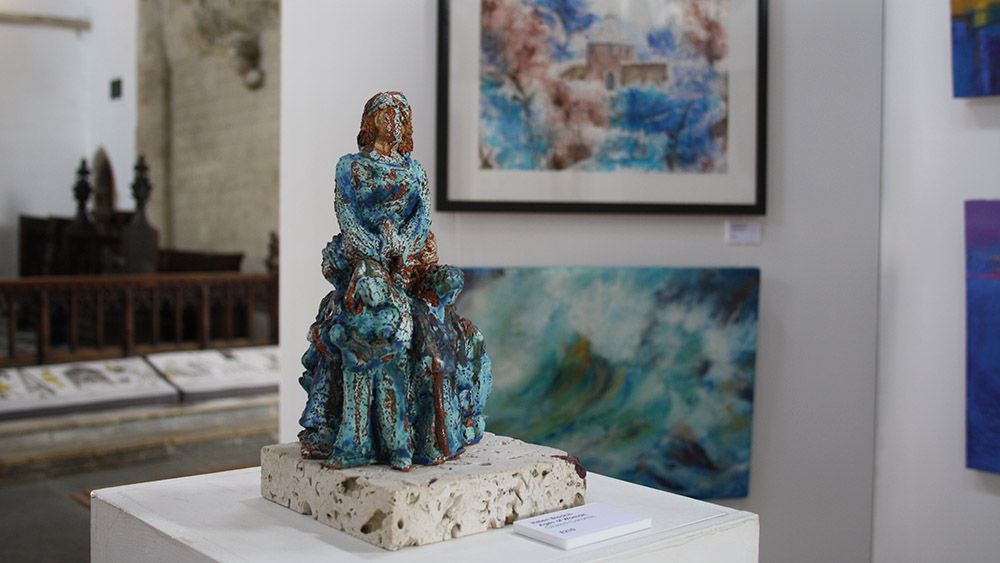
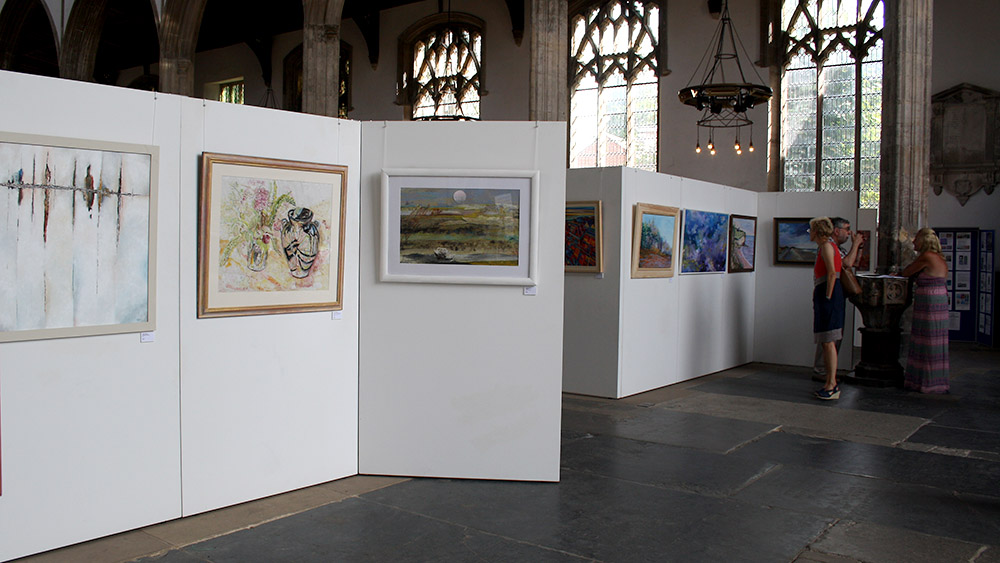
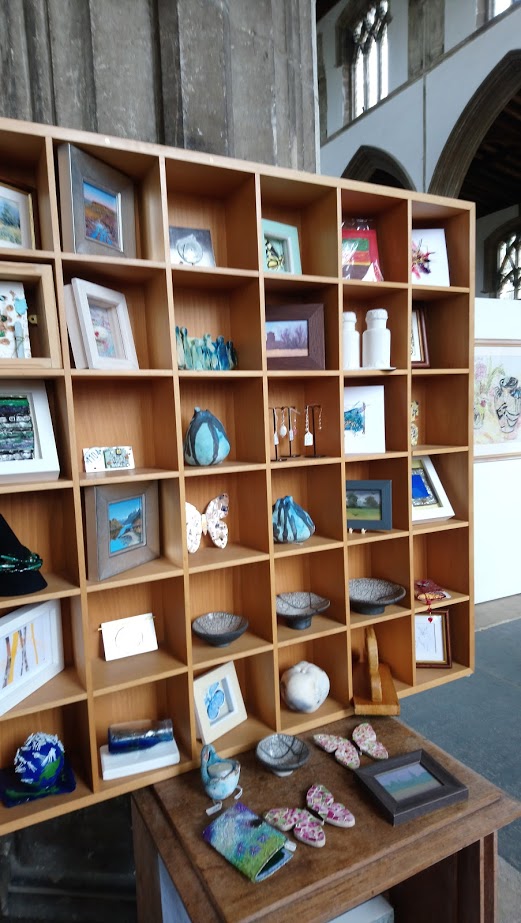
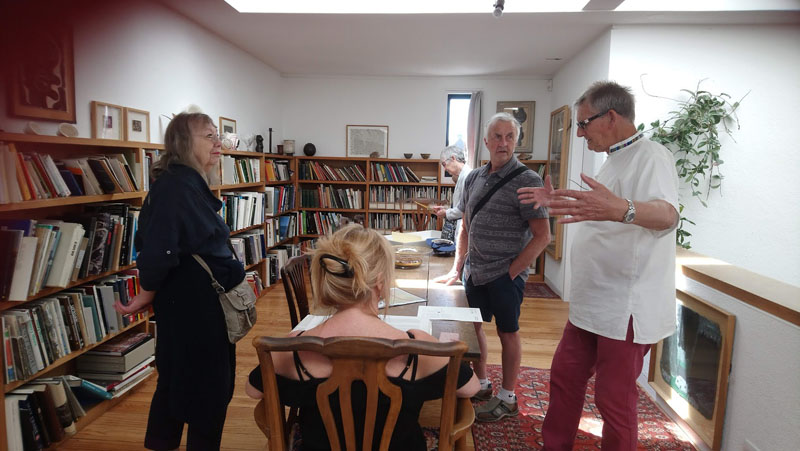
Impressions of this year’s exhibition at St. Nicholas Chapel in King’s Lynn.

The Preview

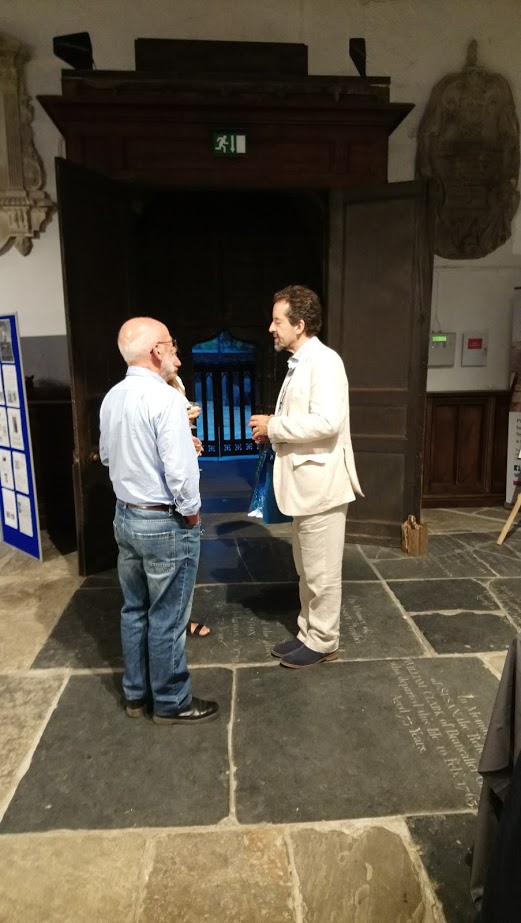
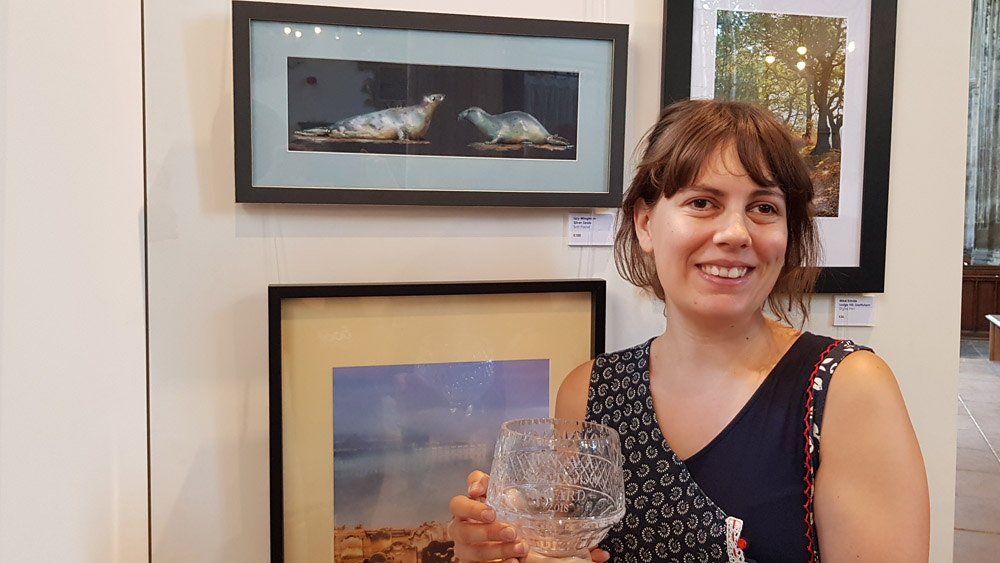
We launched the exhibition with the preview on Friday evening. Special thanks go to Robert Rickard, the 14-19 advisor for Norfolk County Council for opening the exhibition and selecting the Syd Davison Award winner.

His thoughtful consideration of the all the work was evident through his words and greatly appreciated by all.

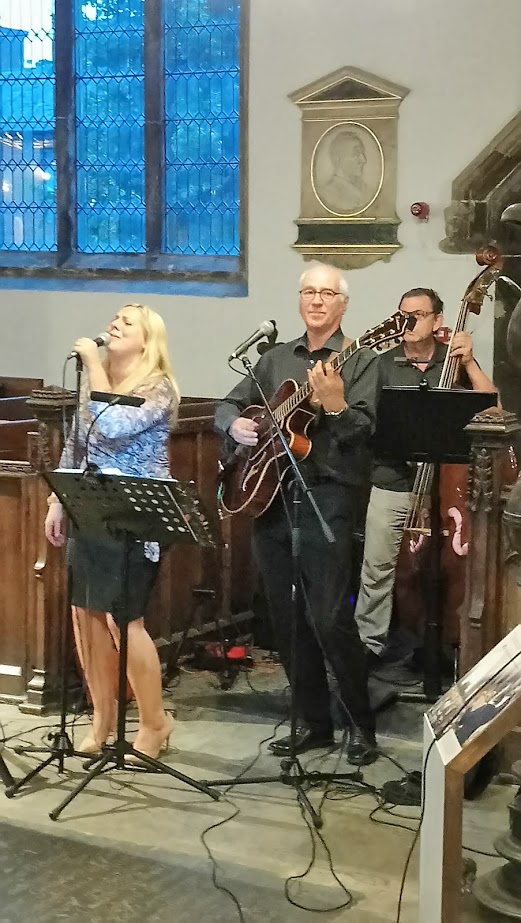
Fabulous music was provided by Ed & Laura.

The Winners

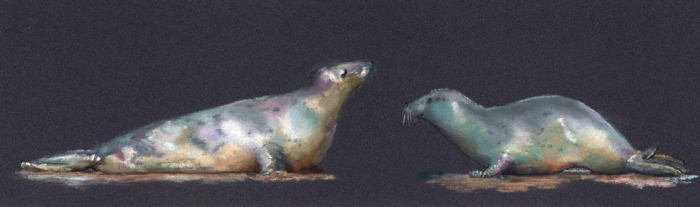
The work chosen for the Syd Davison Award was Silver Seals by Izzy Wingham.

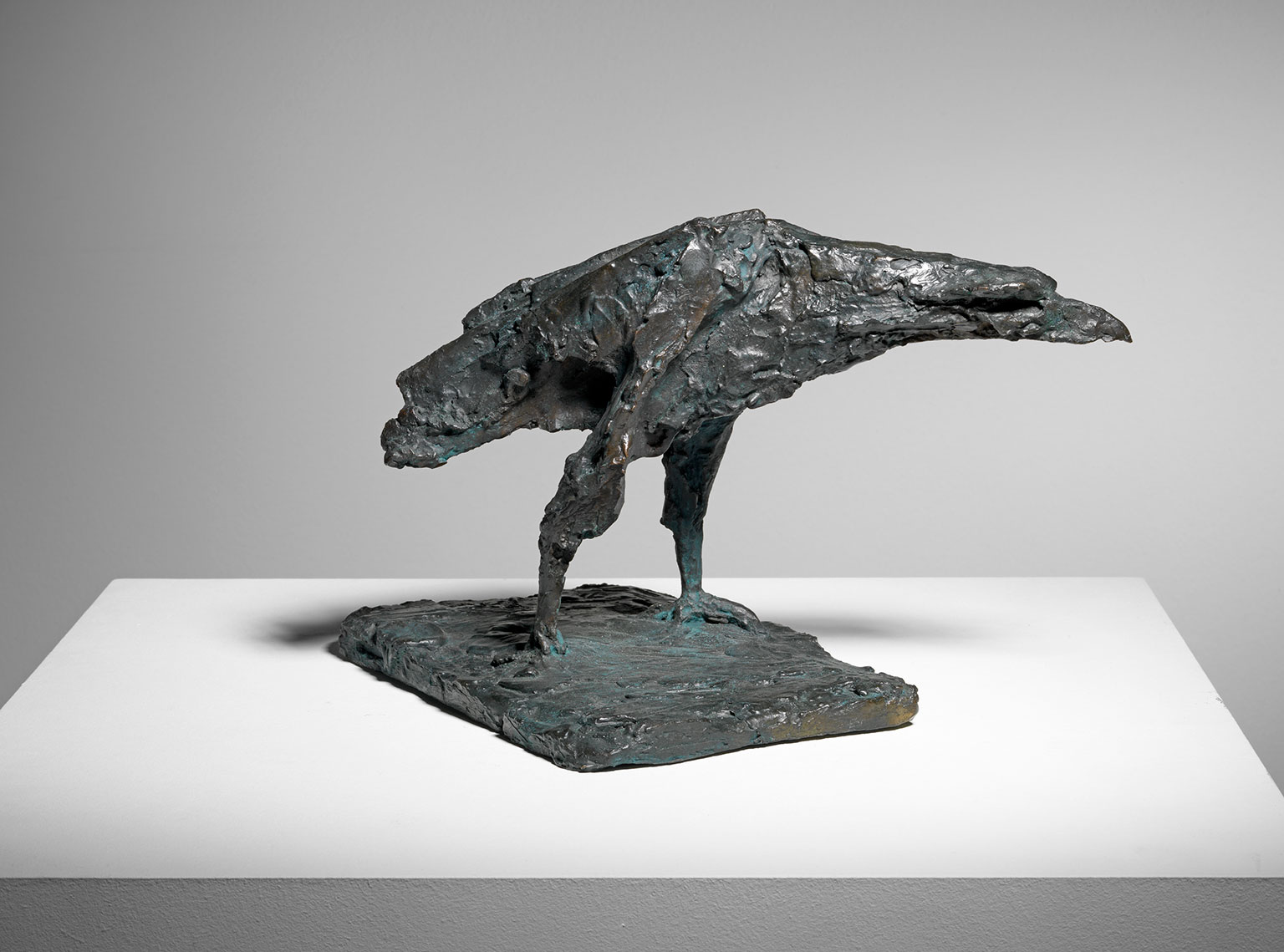
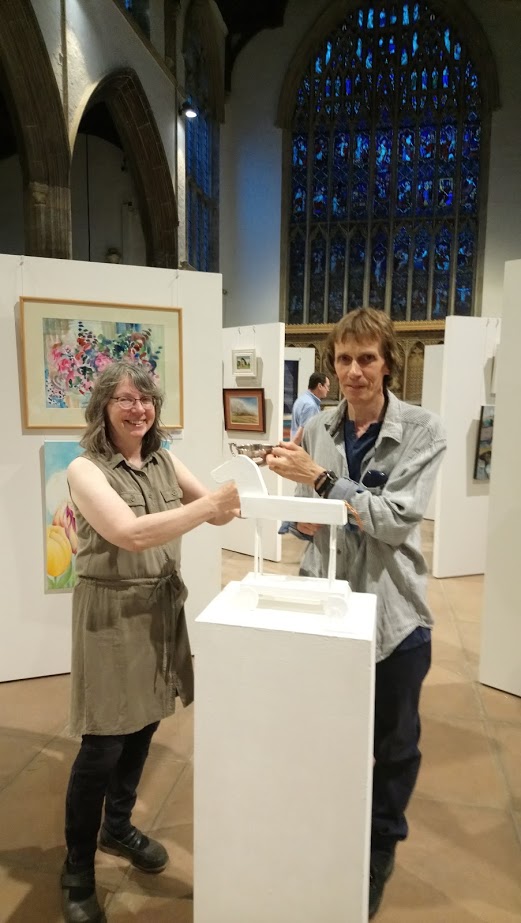
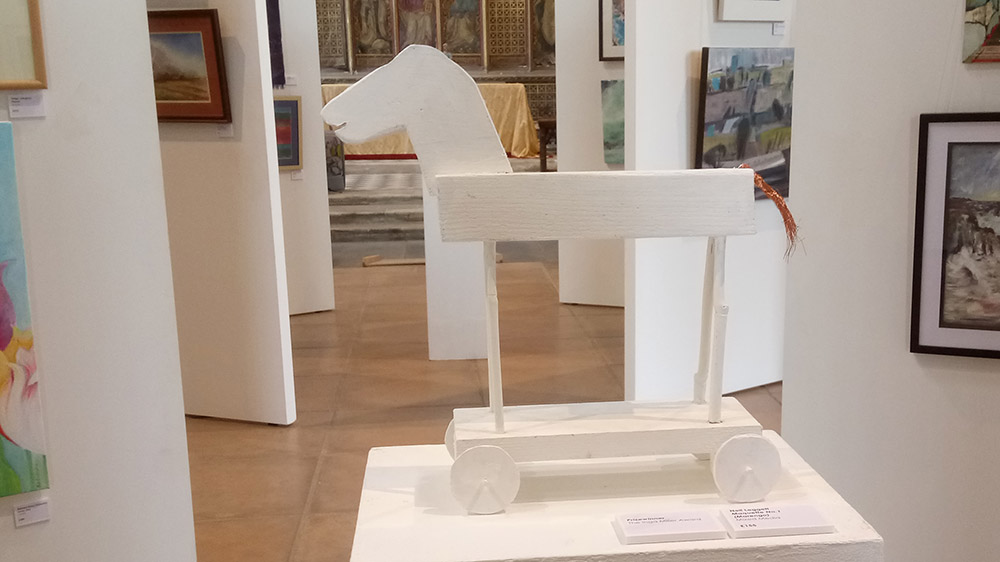
This year’s Inga Miller Award chosen by the committee went to Neil Leggett for Maquette No. 1 (Marengo).

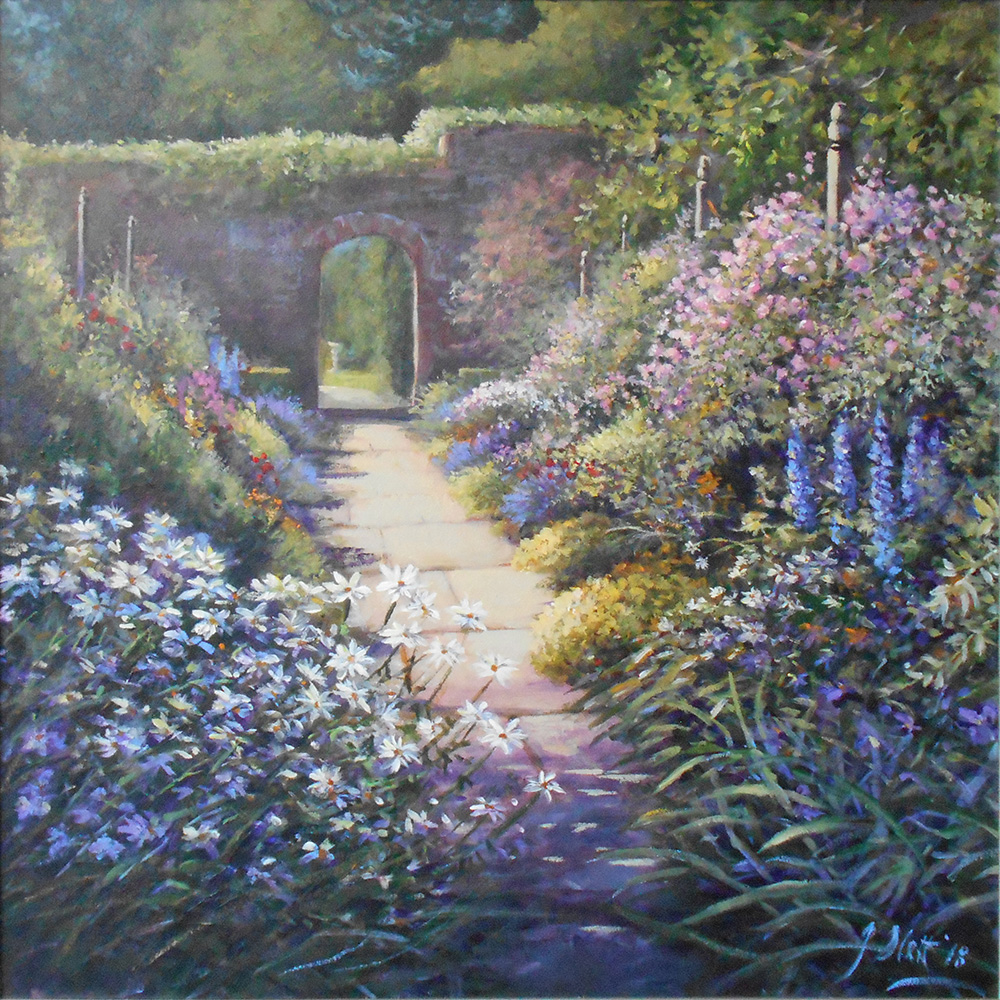
The Visitor’s Choice Award goes to Jill Ilett for Le Jardin Anglais.

The Exhibition

The Workshops


Supported by

The Legacy of Kettle’s Yard

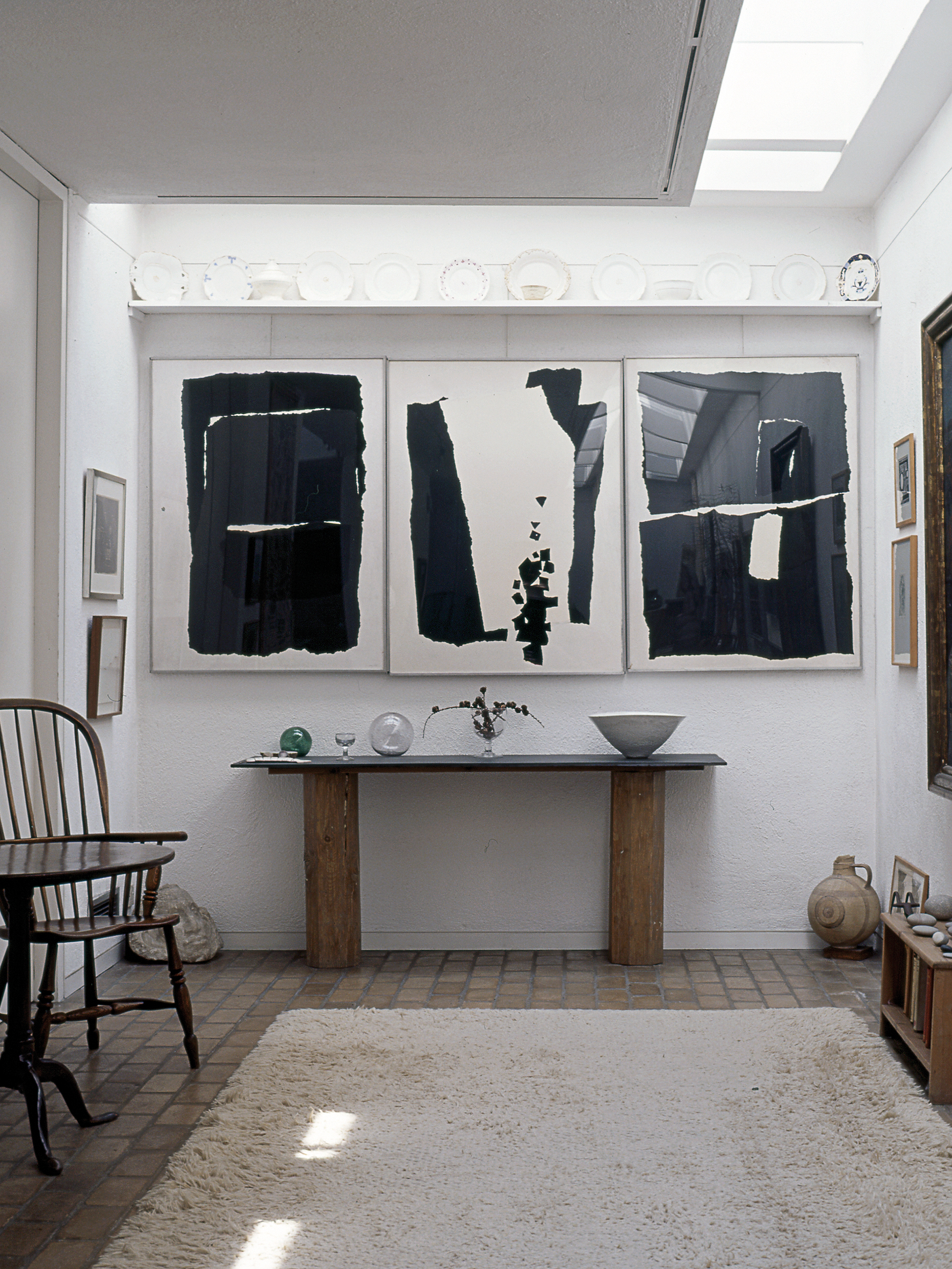
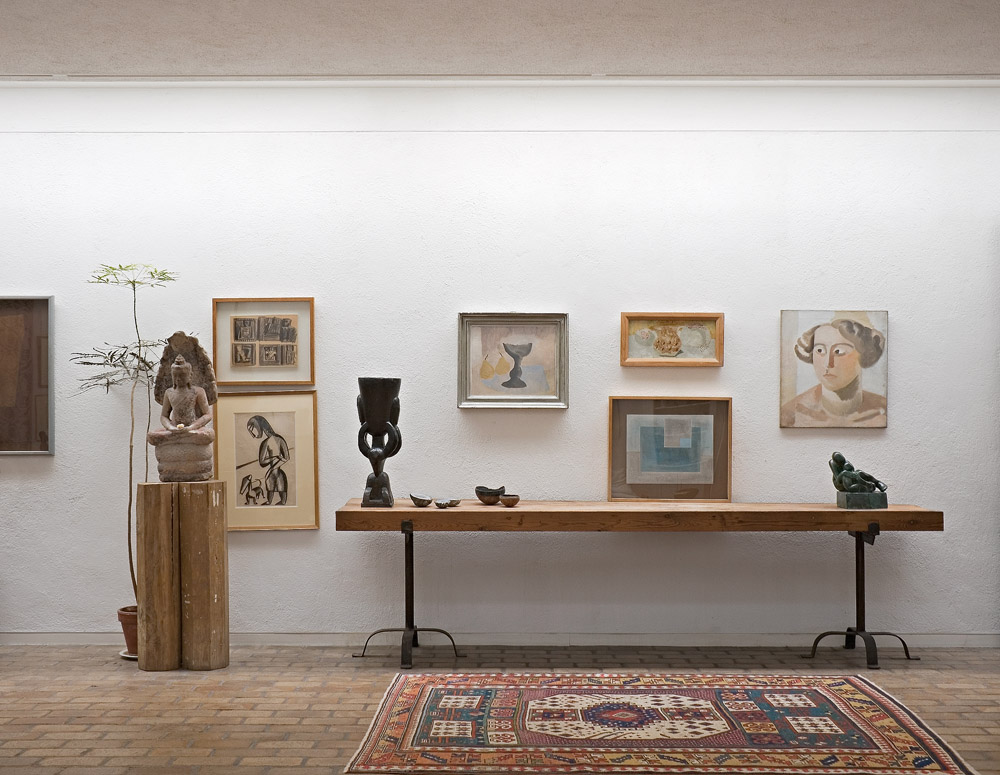
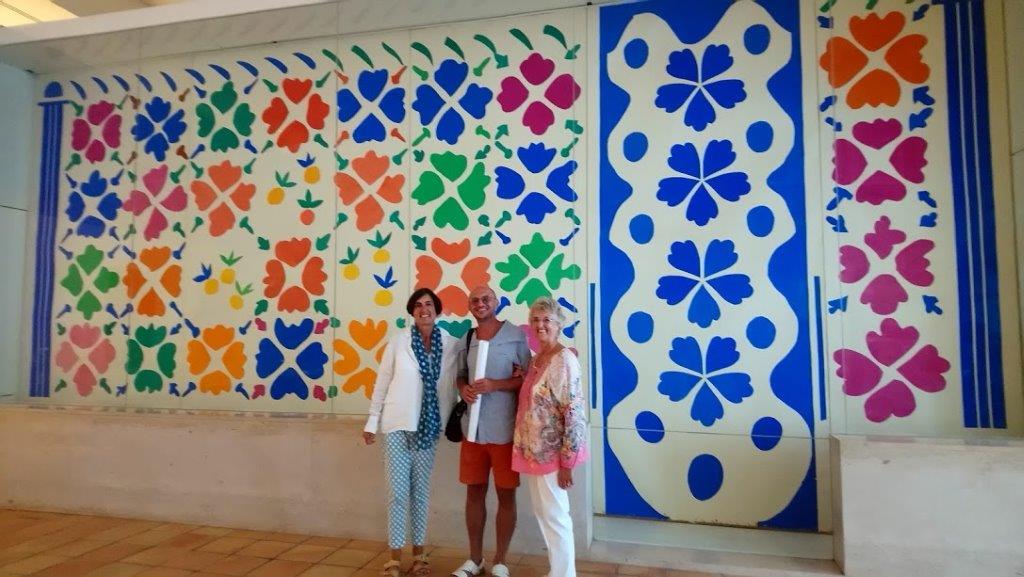
1. House extension, downstairs Showing Italo Valenti’s collages (1964) and Lucie Rie’s bowl ‘The Wave’ (1971)

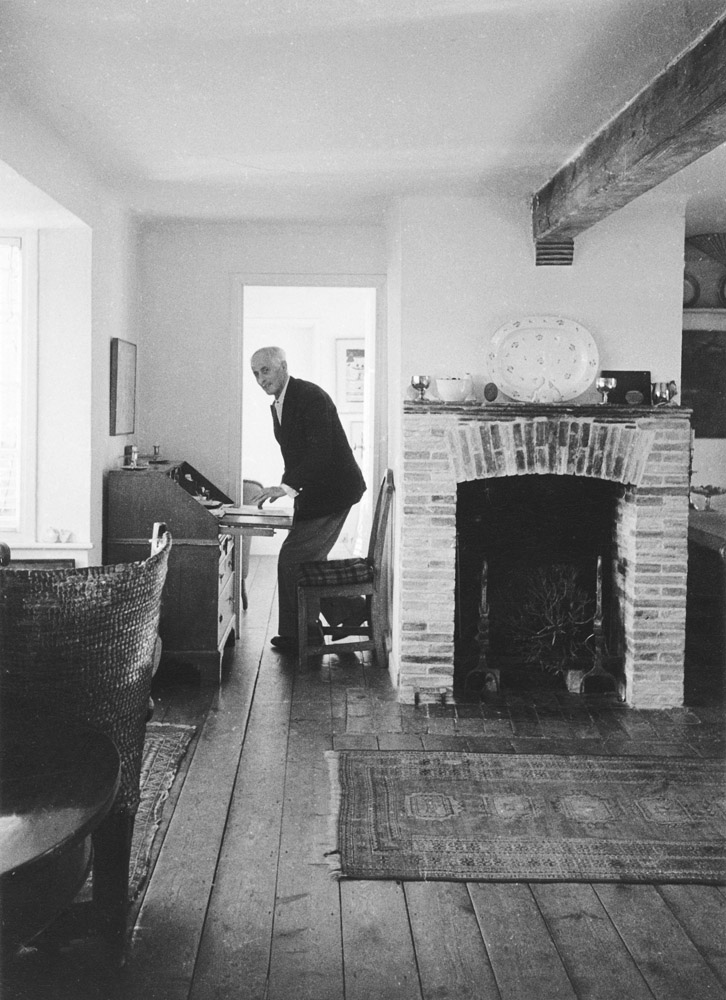
Looking at the origins of Kettle’s Yard in 1957, it is hard to imagine the legacy it has become. Although Jim Ede would have preferred a stately home, he was offered 4 tiny condemned slum dwellings from the president of the Cambridge Preservation Society.

The actual origins predate this. On first appearance it was his meeting Ben and Winifred Nicholson in about 1924 while he was an assistant at the Tate Gallery. In fact, it was a visit to the Louvre at 13 years of age and access to the Free Library at the Fitzwilliam at 15 where his love of early Italian painting began and started him on his collector’s journey.

This collection is also a personal journey of circumstance and chance meetings. It was Ben Nicholson who introduced Ede to contemporary art. He was able to purchase unsold Nicholson paintings for the price of the canvas and frame for the price of one to three pounds when he could afford it. Some, Nicholson gave him.

In 1926 his position at the Tate brought him into contact with Alfred Wallis. Again, he bought as many paintings as he could afford.

His collection of work from the estate Henri Gaudier-Brzeska was acquired “for a song” because nobody else wanted it.

Now the collection contains work by over 100 artists also including Joan Miró, Constantin Brancusi, Naum Gabo, Christopher Wood, Barbara Hepworth, David Jones, Henry Moore and Italo Valenti (one of my personal favourites).

I’m amazed at the forsight and humanity of Jim Ede. Ede describes Kettle’s Yard as “a continuing way of life from the last 50 years, in which stray objects, stones, glass, pictures, sculptures, in light and in space, have been used to make manifest the underlying stability which more and more we need to recognise if we are not to be swamped by all that is so rapidly opening up before us.” These words are as relevant today as when they were written. Maybe moreso.

The atmosphere of the house is exceptional through the mix of art and found objects. Through Ede’s nature collections we are reminded that this space is personal, home. The library is Ede’s actual library. All books are available to study. This in keeping with the open house tradition.

From 1957 to 1973 when the Ede’s lived there, their home was open to visitors every afternoon. Kettle’s Yard, today, continues in this spirit. It is a place to spend hours of discovery and well worth visiting again and again. A wonderful place to use and be.

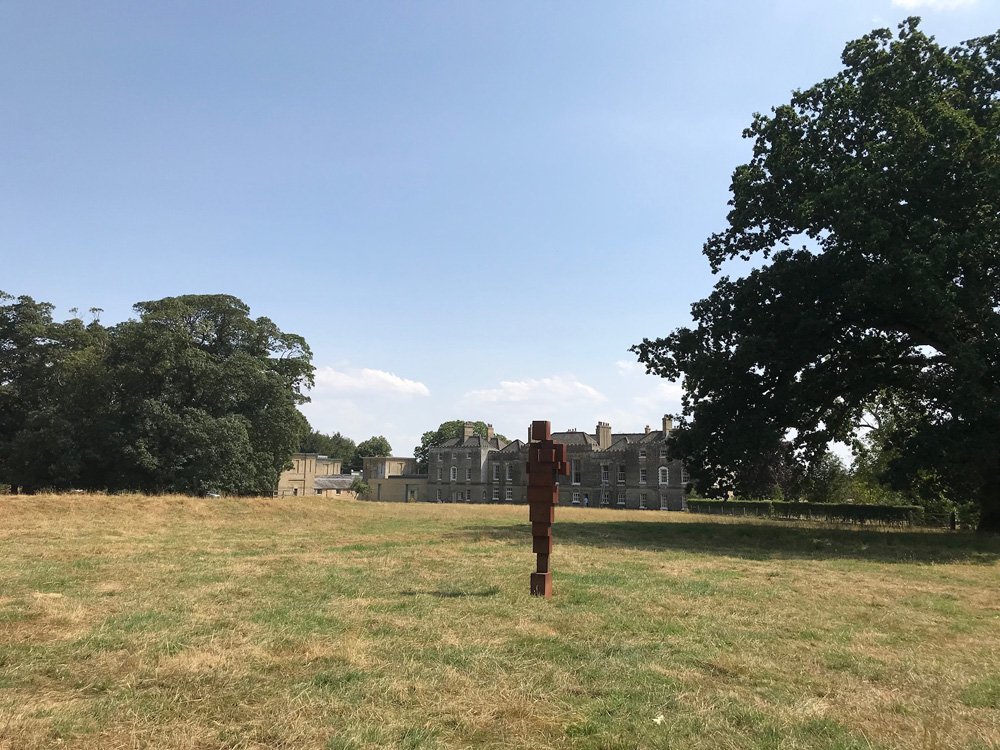
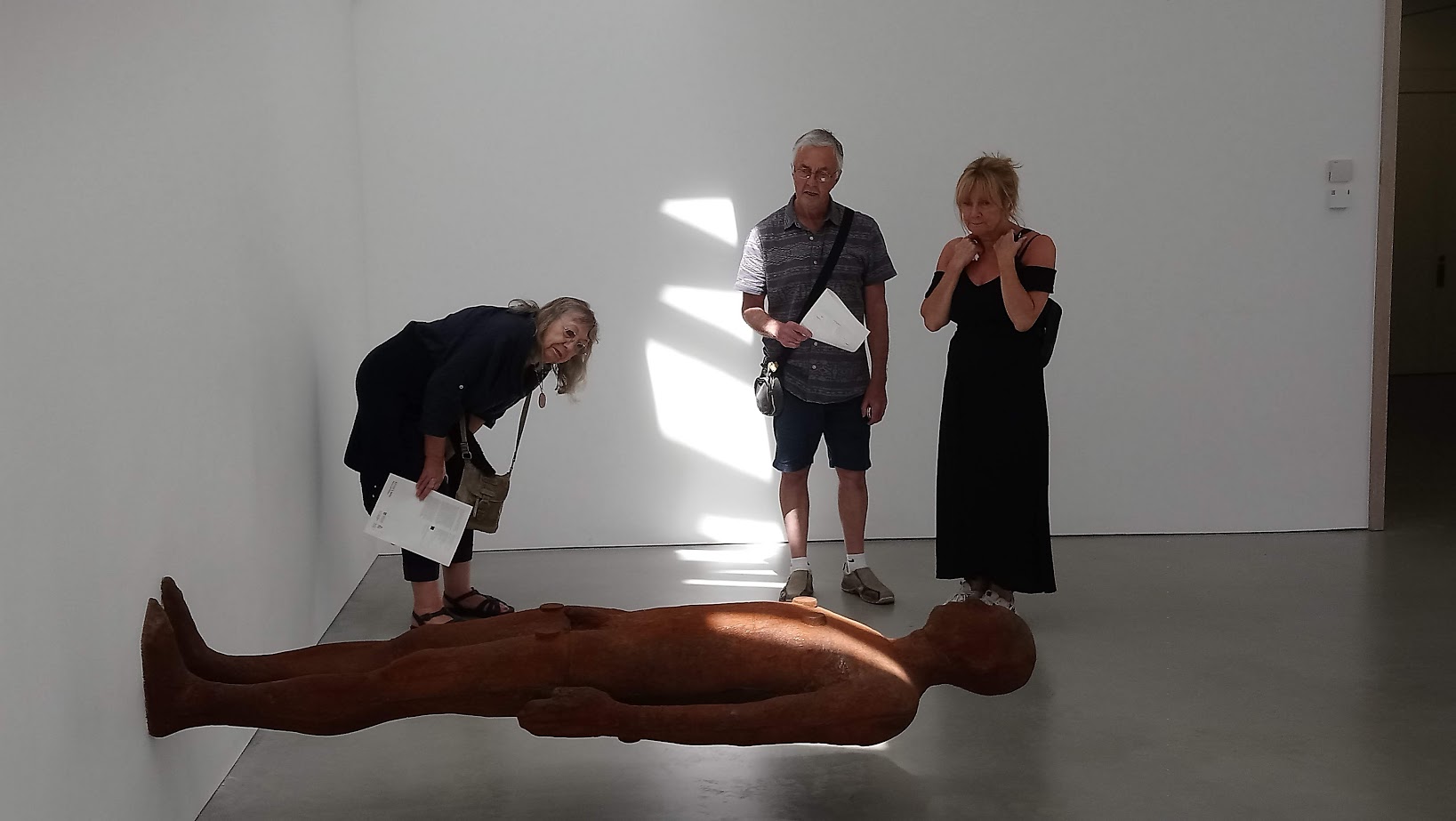
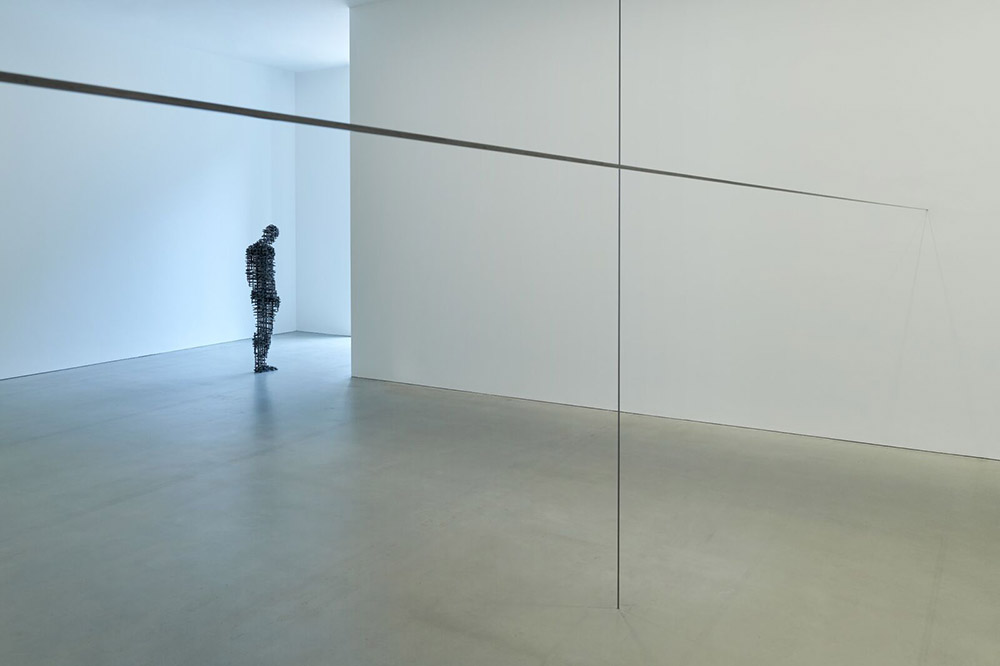
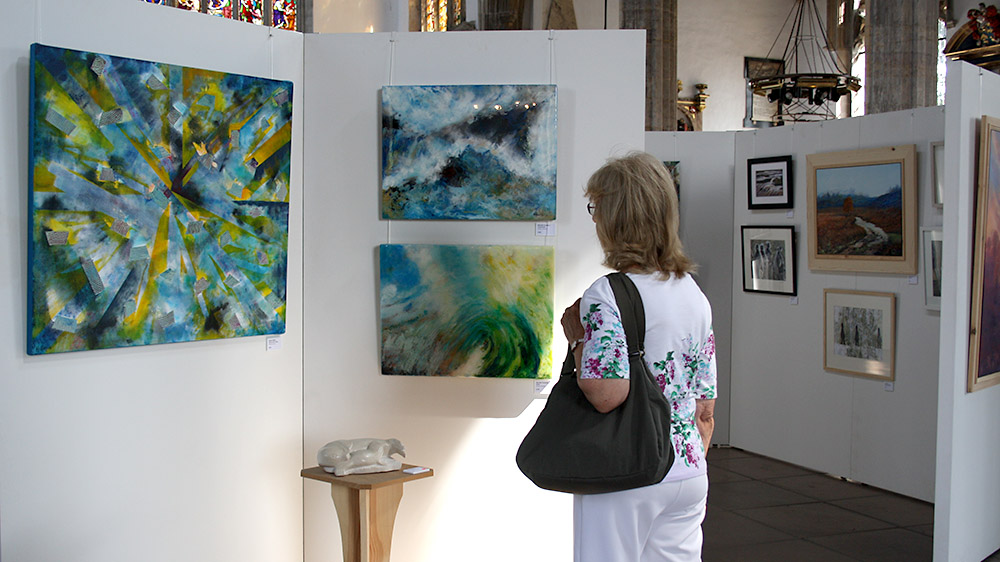
In the new gallery Antony Gormley SUBJECT uses the space and architecture to show 5 works into which we are drawn, become participants or maybe even the subject (?).

It’s well worth watching the BBC documentary, imagine … Anthony Gormley: Being Human to gain tremendous insight into Gormley’s life and work. (Shown Thursday to Sunday.)

Antony Gormley SUBJECT runs until 27 August.

Kettle’s Yard
University of Cambridge
Castle Street
Cambridge
CB3 0AQ

+44 (0)1223 748 100
mail@kettlesyard.cam.ac.uk

Visit Kettle’s Yard website for more information.

Esther Boehm

Further photo information:
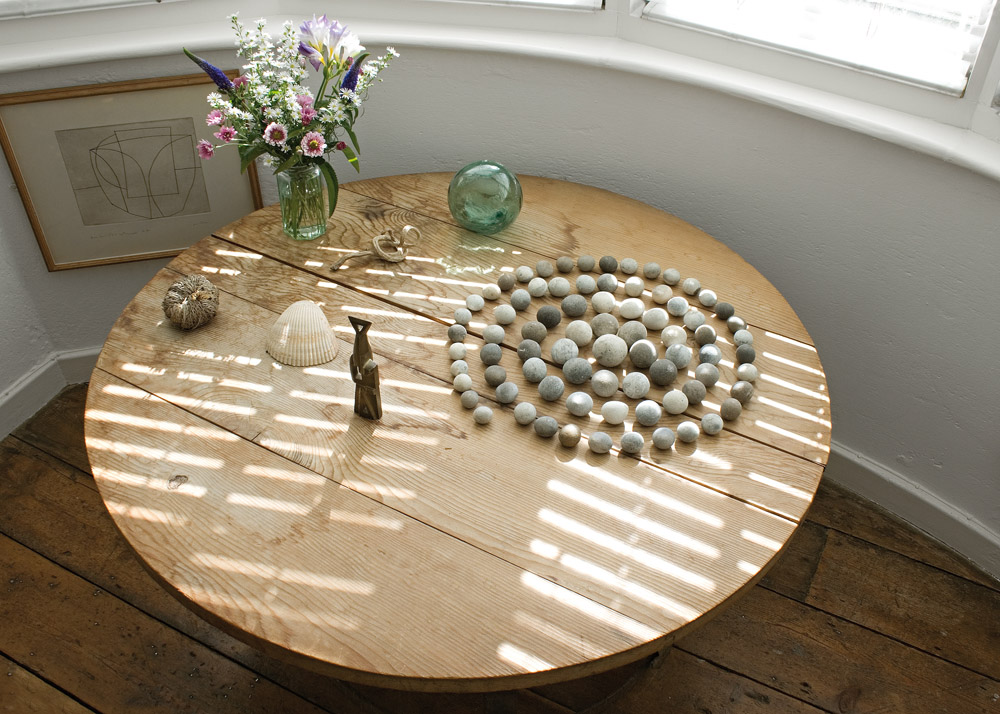
3. House cottages, downstairs Jim Ede’s bedroom table
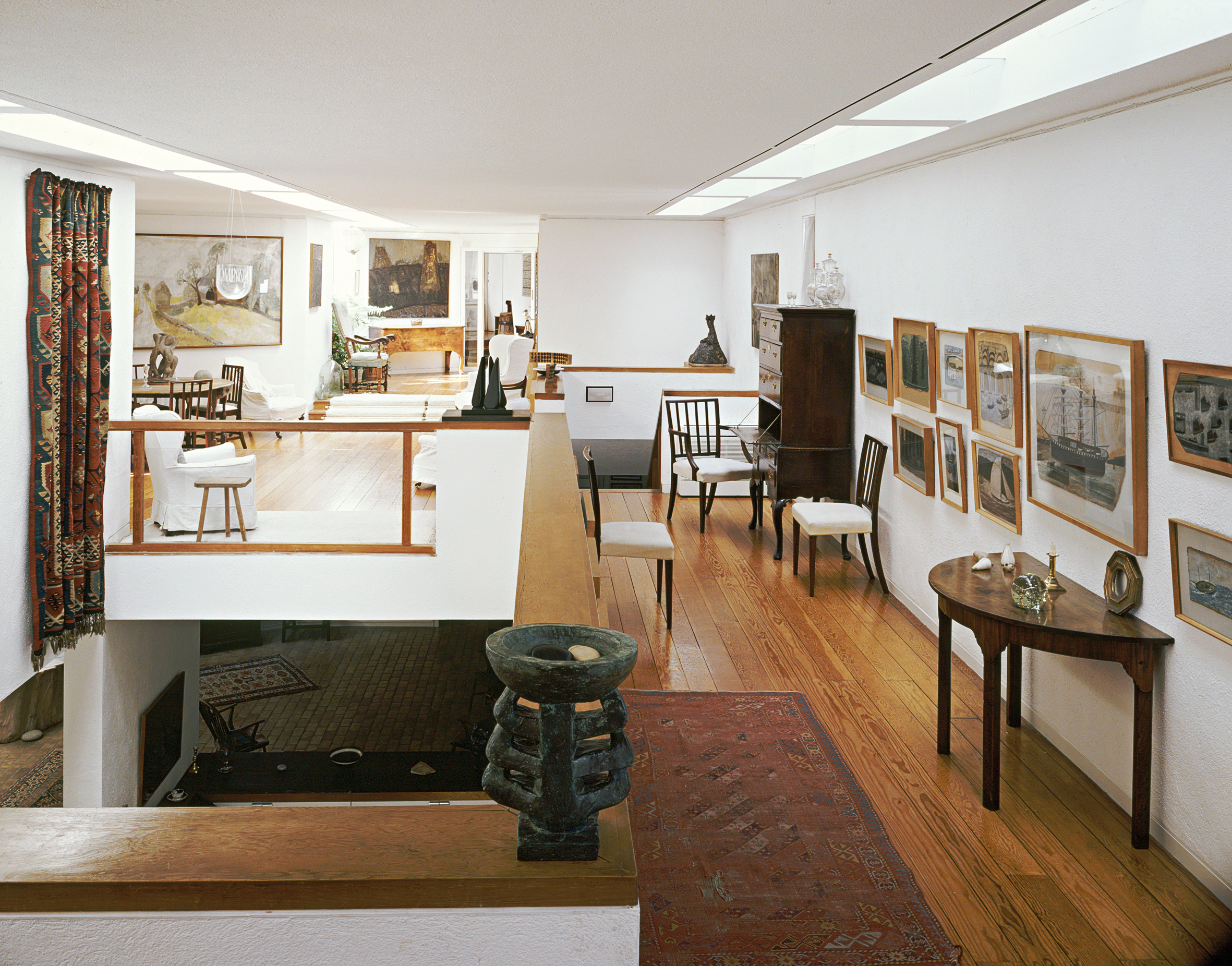
4. House extension, upstairs Designed by Sir Leslie Martin, opened in 1970
7. Showing the Buddha from the Prang Sam Yot Temple, Lopburi, Thailand (13th or 14th century) and works by Mario Sironi, Henri Gaudier-Brzeska and Ben Nicholson
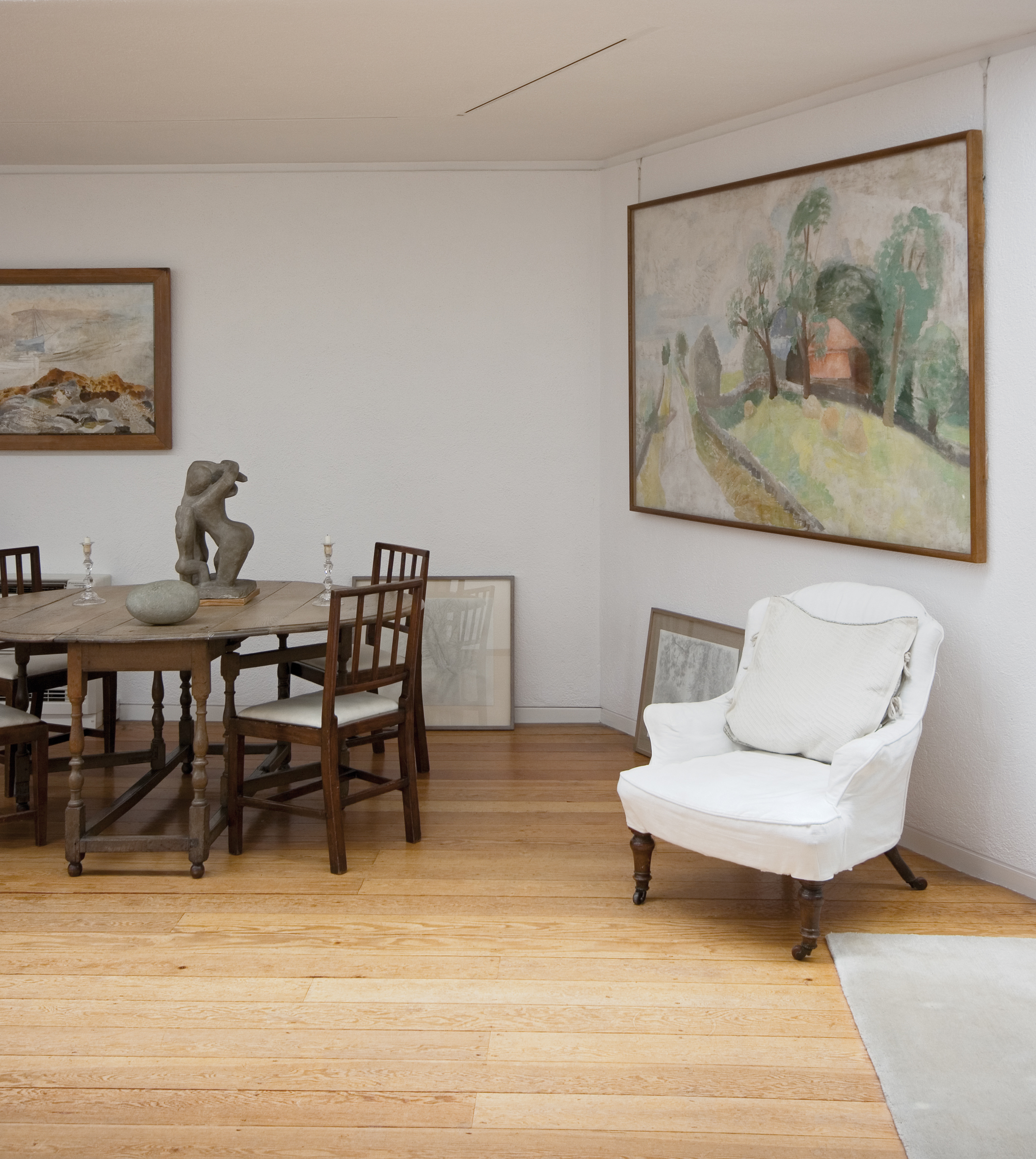
8. House extension, upstairs showing Winifred Nicholson’s ‘Roman Road’ (1927)
10. Installation view Antony Gormley SUBJECT © Antony Gormley
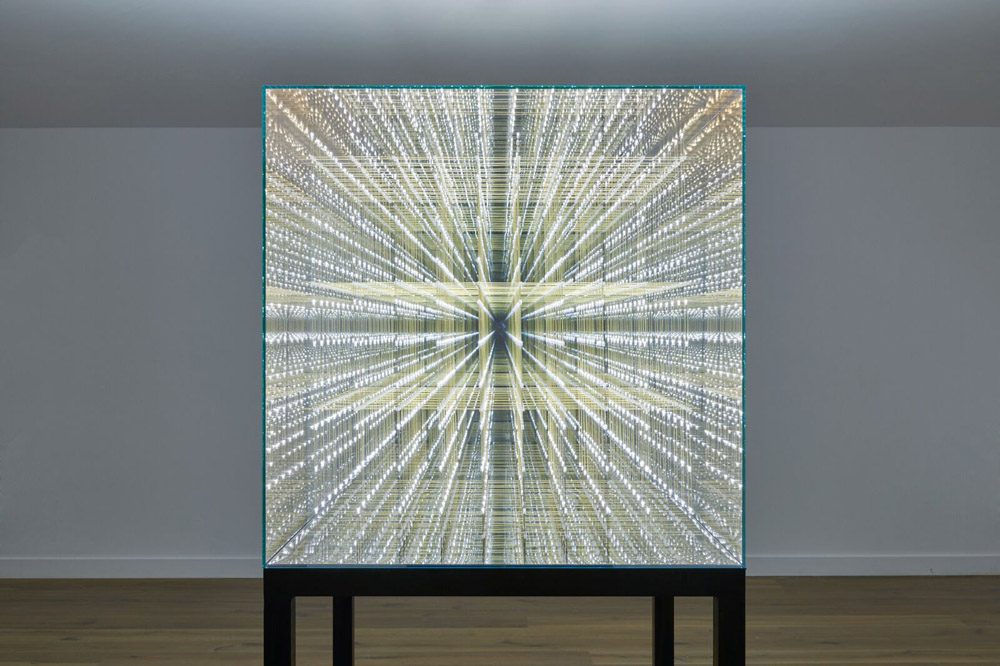
11. INFINTE CUBE © Antony Gormley

Photos 1, 2, 3, 4, 7 & 8 © Kettle’s Yard, University of Cambridge
Photos 3, 7 & 8 by Paul Allitt
Photos 5, 6 & 9 by Helena Anderson
Photos 10 & 11 by Benjamin Westoby

Summer Art Workshops at St. Nicholas Chapel

Sorry, all workshops are fully booked.

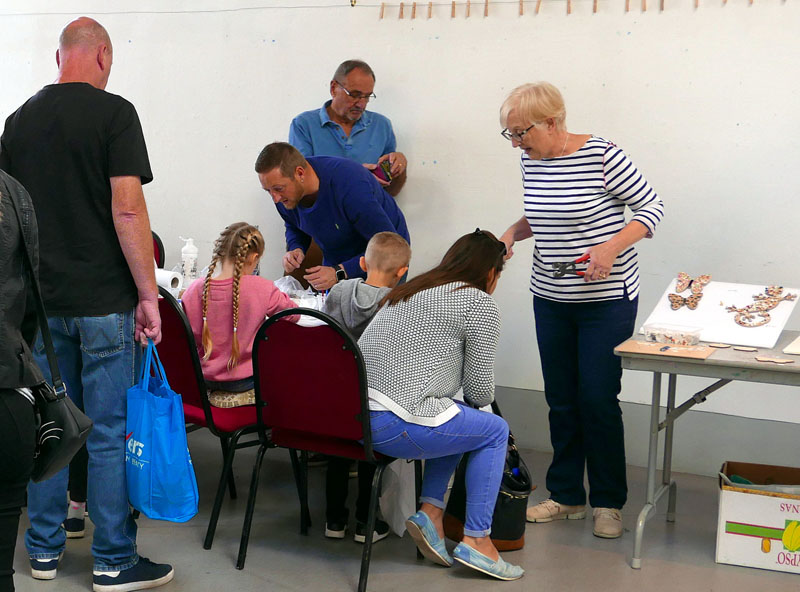
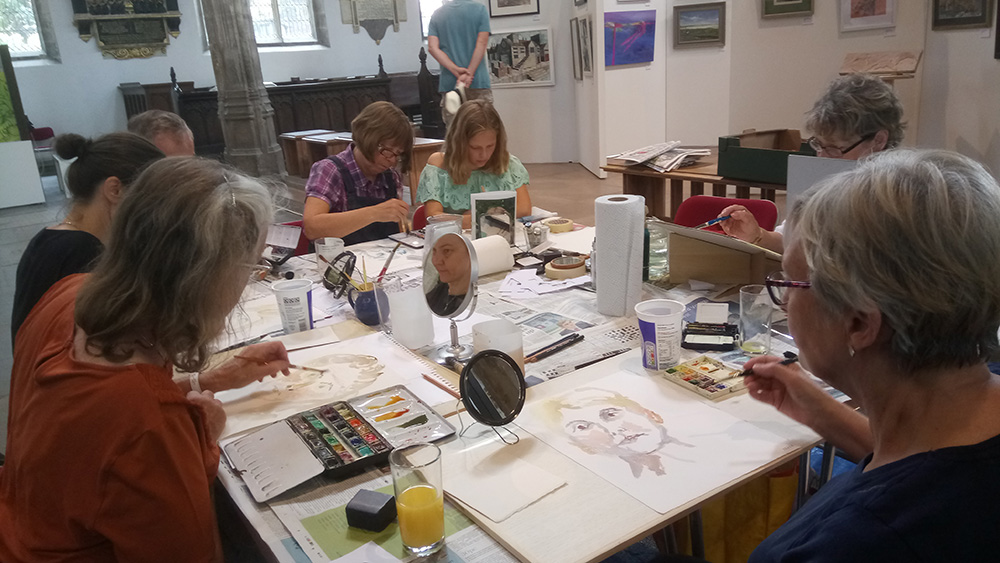
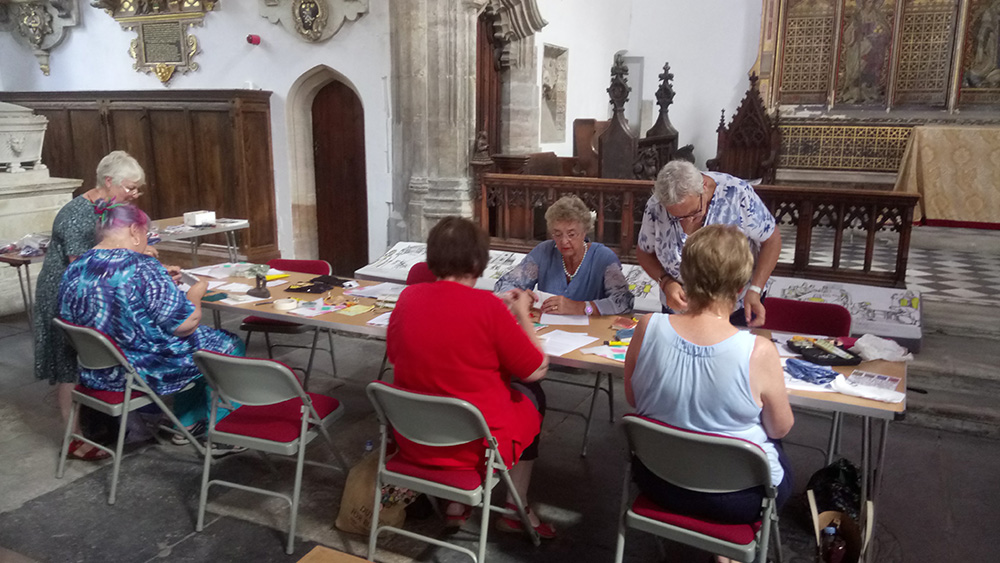
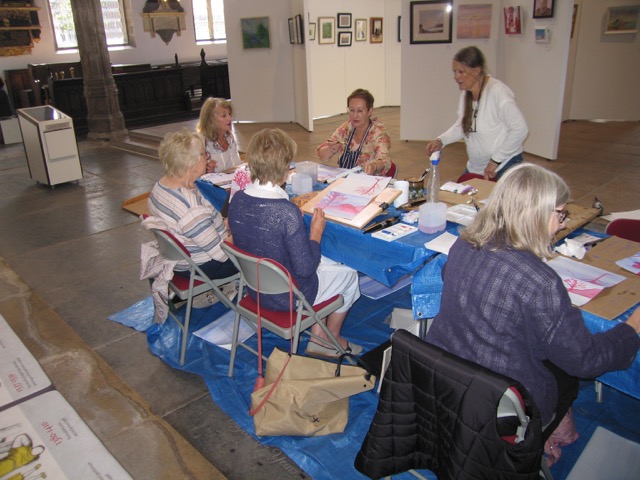
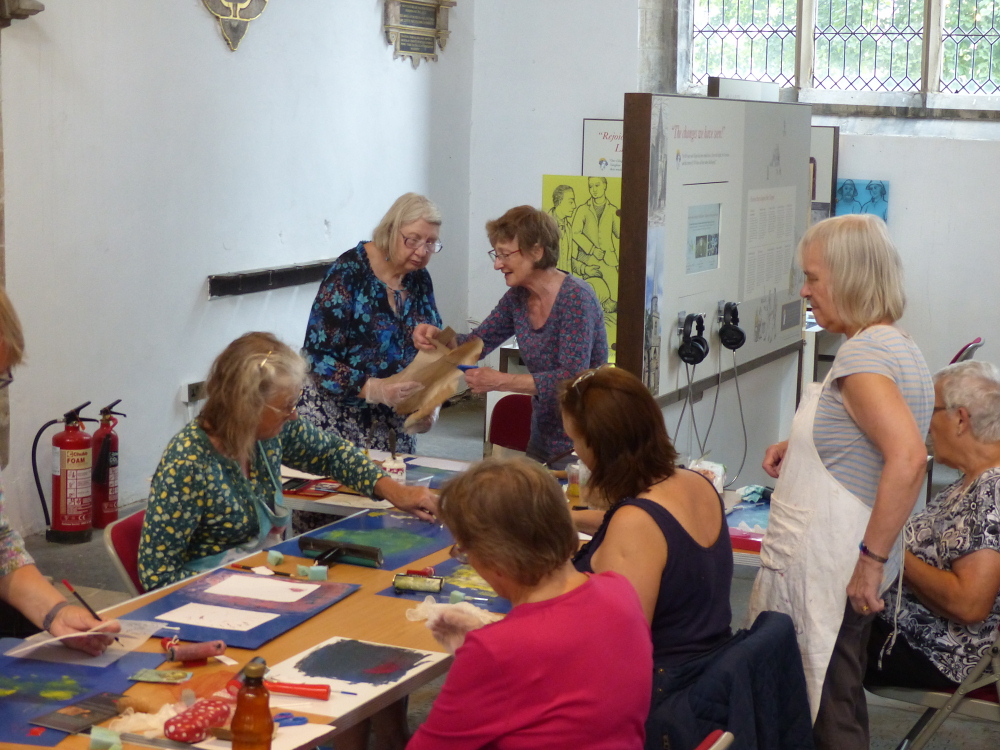
Each year during the Summer Exhibition at St. Ncholas Chapel in King’s Lynn, a series of free art workshops is run by the West Norfolk Artists Association. This year there are 6 workshops to choose from. Four are for any level of experience, one for more experienced painters and one for children.

Painting a Self Portrait in Watercolours
with Ann Froshaug, Painter

The aim of the workshop is to show how basic watercolour technique combined with simple drawing technique will enable you to produce a pleasing likeness.
We will explore how to draw what you see and find ways by using a selected palette of colours to produce subtle and lovely images of yourself and from this be more confident about painting other portraits for example of family and friends.

You will need to bring a recent photograph of yourself and a mirror about A5 size. All other materials provided.
Maximum of 8 in the group.
Sunday July 22, 1.30 to 3.30


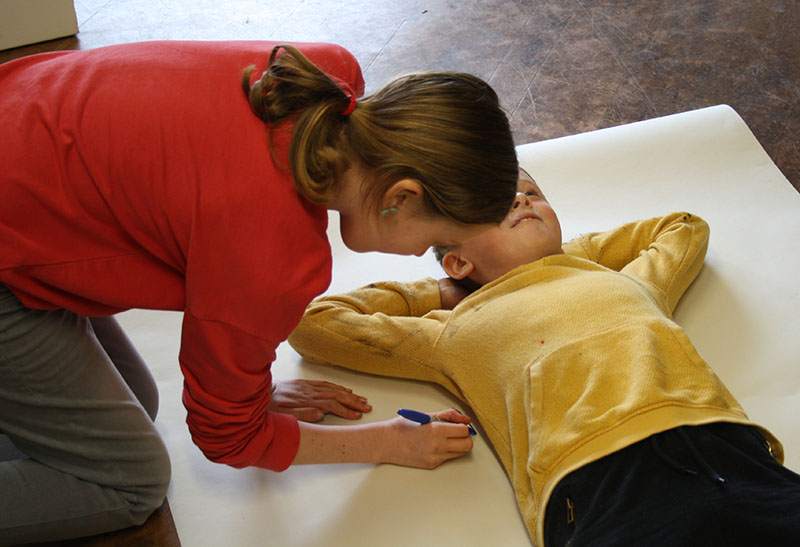
Angels in Art (for children aged 8 and up)
with Esther Boehm, Sculptor

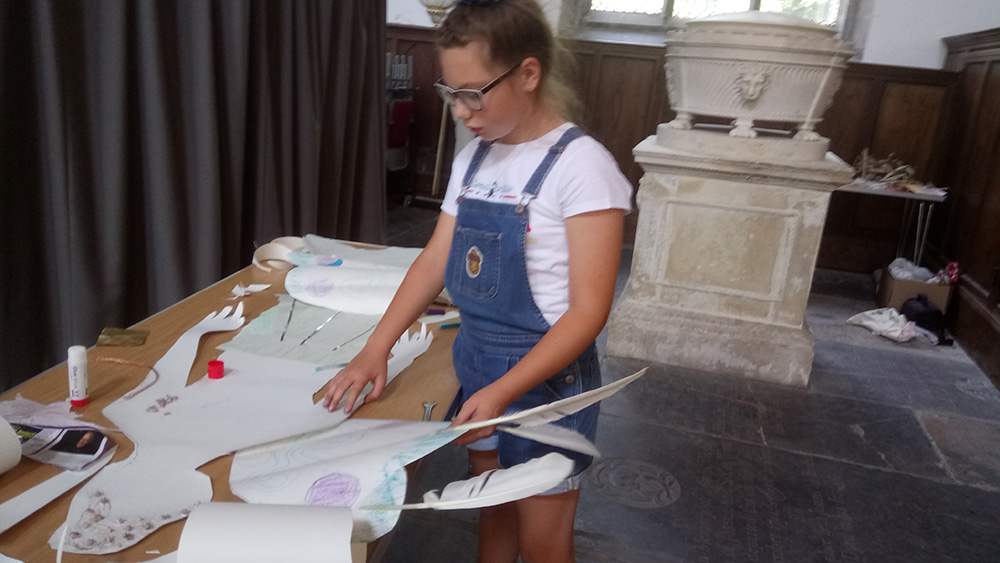
What is an angel? We will look at the very special angels in St. Nicholas Chapel, talk about angels and then make your very own life-size angel using different materials.

Materials provided.
Maximum of 8 in the group.

Parents welcome.
Wednesday 25 July, 11am – 1pm


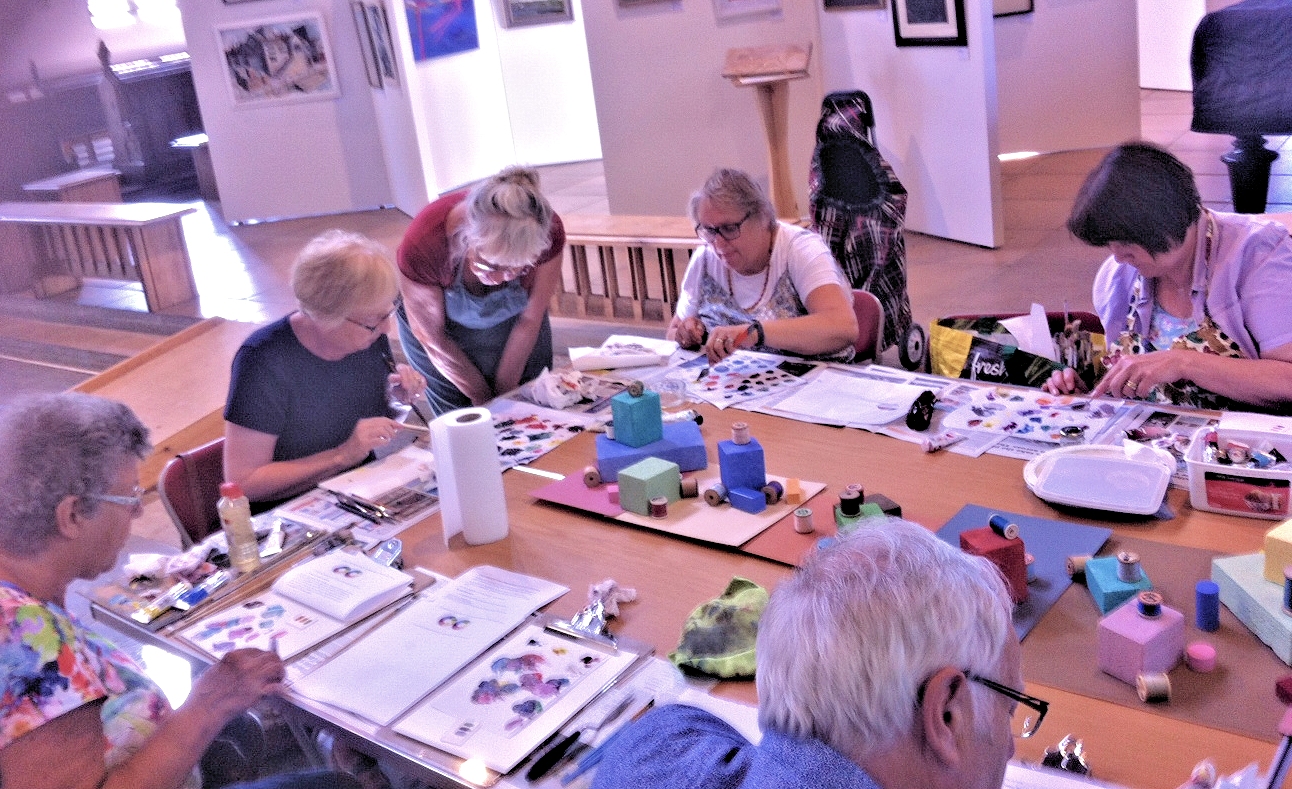
Colour Mixing for Artists (Masterclass)
with Thelma Chambers, Painter

In this workshop you will be introduced to exercises that are designed to improve colour perception, and improve accuracy in colour mixing.The workshop will also include discussion on the basic colour palette and the harmonic potentials of limited colour palettes.
There will be an opportunity to explore essentials, luxuries, and colours to be wary of.

Please bring your usual set of oil paints, brushes, turps, etc. Other materials provided.
Maximum of 8 in the group.
Saturday 28 July, 1.30-3.30


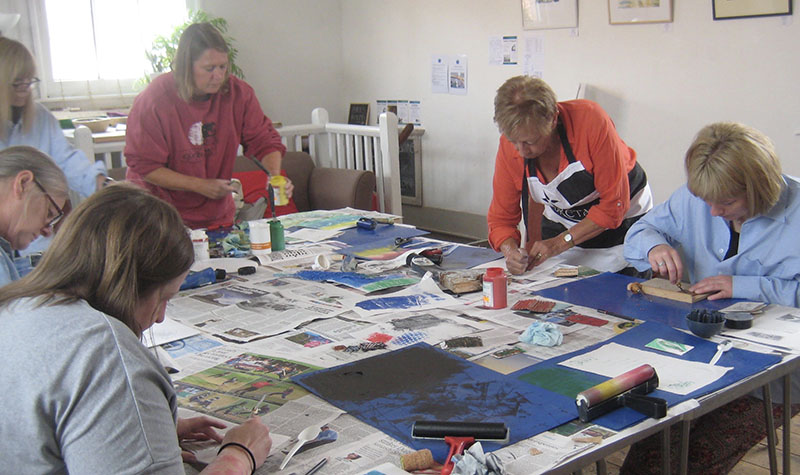
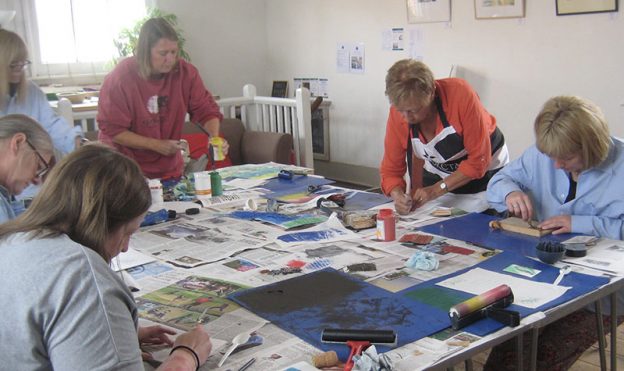
Monoprinting Without a Press
with Kit Price Moss, Print-maker/Painter

Enjoy exploring printmaking methods to create your own handmade images using usual and unusual materials.

Materials provided.
Maximum of 8 in the group.
Sunday 29 July, 1.30-3.30


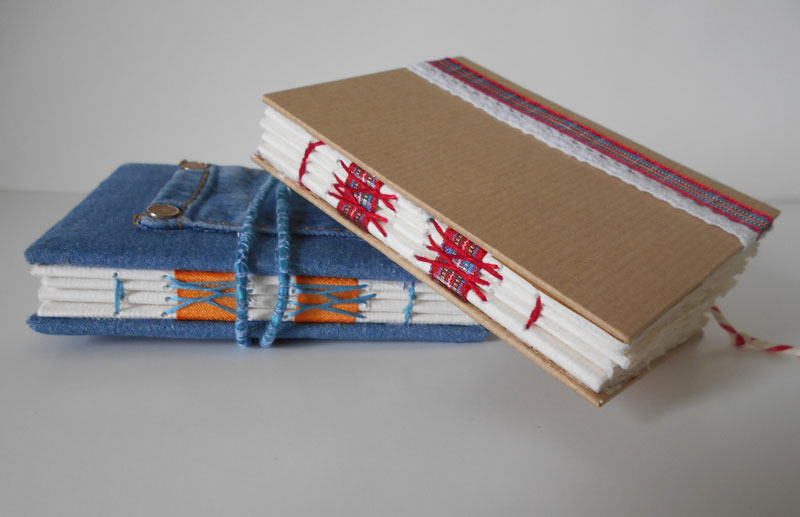
A Little Hand Made Book
with Pauline Wrighton, Textile Artist

Make a little covered note book with a simple, stitched, open spine binding and cord closure.

All Materials and tools provided.
Maximum of 6 in the group.
Thursday 2 August, 1.30 to 3.30pm


Free public workshops supported by Norfolk County Council.

Details and booking in advance on 01485 540801 or westnorfolkartists@gmail.com.

Wells Sculpture Trail

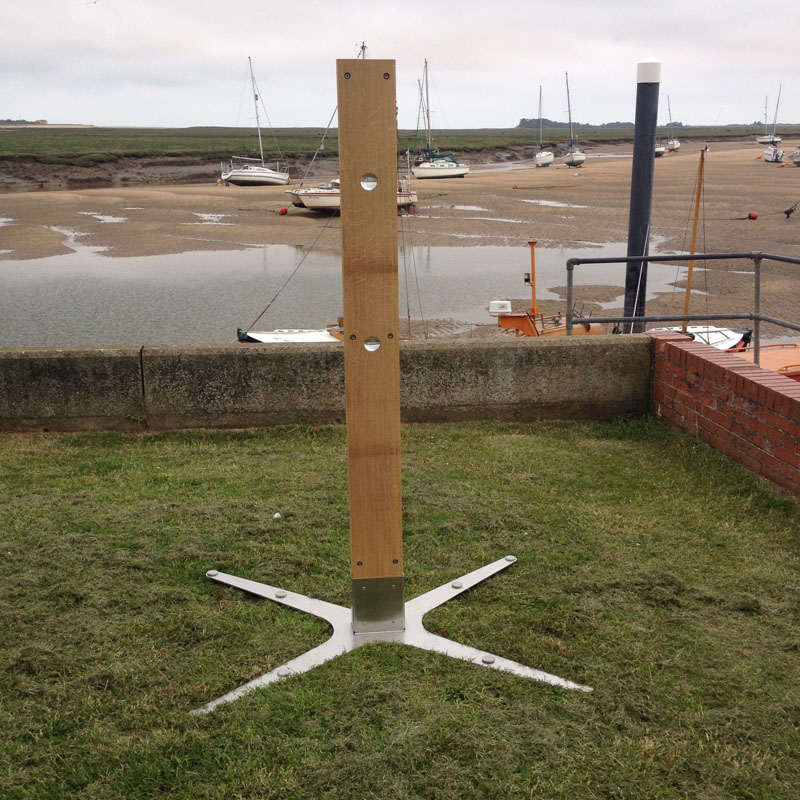
Andrew Schumann’s work Wells Oak Post, is ready for installation at the new Wells Sculpture Trail on 8th June. The trail opens on 23rd June.

The words supplied with his proposal are:
A post made from two planks of seasoned oak, the wood that built the battleships that defeated Napoleon and built the British Empire.

Continue reading

An Ingenious Mini Gallery

Pictured from left to right Andrew Schumann, John Hughes, Michael Bell and Syd Davison. Photo by Alan Miller, Lynn News Nov. 2001

The Schumann Cabinet was made in 2001. The Association had only been formed the year before and no exhibition programme had yet been formulated.
I had the idea of a cabinet of small works hanging on the wall and Liz Falconbridge agreed that it could hang on the wall of the Arts Centre foyer. I commissioned it from Toby Winteringham, our wonderful local precision cabinet maker.
It first appeared in November 2001 in the Arts Centre and was nicely illustrated and reported on in the Lynn News. After a few months in the Arts Centre it was moved to the Doric Arts Gallery in King Street, where it was well received (until the gallery eventually closed).
Andrew Schumann

Please click the image to open the slide show. You can click the ‘pause’ button on the top right to read the articles.


Spots, Spots and Still More Spots …

Damien Hirst, Myth and Legend, by the entrance to the hall at HOUGHTON HALL, NORFOLK
Photo by Pete Huggins

The first Damien Hirst piece, Sensation, is encountred while driving to the carpark. From the car it look looks like something from an amusement park or fun fair. Looking like brightly coloured plastic. On closer inspection, it appears to be a magnification of a section of skin complete with hairs.

This concept is carried through several works. Myth (unicorn) and Legend (Pegasus) are built with clean precision but at the same time highly stylised. The ‘outer skin’ is painted white, a stark contrast to areas where the skin is ‘peeled away’ to reveal the insides horrifyingly red with touches of pink and yellow.

The same graphic depiction of this scientific disecting into parts of the figures is seen in the oversized torso Temple and the massively grotesque The Virgin Mother. In the gift shop, you can recognise the same general feel in the type of anatomy books which inspired Hirst.

Damien Hirst, The Virgin Mother, in the Pleasure Grounds at HOUGHTON HALL, NORFOLK
Photo by Pete Huggins

The monochrome works may be subtle as far as colour goes but definitely not in content. Anatomy of an Angel in Cararra marble, carved with mechanical precision exposes sections of the anatomy to the bone. Wretched War – The Dream is Dead in silver shows a decapitated pregnant woman with baby exposed in the womb as already seen in The Virgin Mother. Saint Bartholomew, Exquisite Pain in black is poignant at first glance but the use of scalpel and tailor’s scissors give an unexpected twist on a theme already blatantly conveyed by Marco d’Agrate in 1562.

Also on the grounds are Charity the oversized replica of a collection box in the shape of a sweet girl with a leg brace has been ripped open with a crowbar, coins strewn on the ground and The Hat Makes the Man after Max Ernst’s collage of 1920.

In the house, all Walpole and Cholmondeley family portraits were removed from the stately rooms of Houghton Hall and replaced with Hirst’s Colour Space painings. A total of 46 paintings are being displayed for the first time at Houghton. We were told by the guides that these were selected from the 300 paintings in the series made with the help of assistants.

The red walls of the Saloon provides an excellent backdrop for the first 8 paintings on display. What is striking about the paintings is the complete contrast to the sculptures outdoors. The dots are happy.  They are taken out of the rigid grid of the earlier Spot paintings. They interact. They make you smile.

Damien Hirst, Colour Space series, in the Saloon at HOUGHTON HALL, NORFOLK
Photo by Pete Huggins

Hirst says of his work: “I originally wanted the spots to look like they were painted by a human trying to paint like a machine. Colour Space is going back to the human element, so instead you have the fallibility of the human hand in the drips and inconsistencies. There are still no two exact colours that repeat in each painting, which is really important to me. I think of them as cells under a microscope. It felt right to show them somewhere historic rather than in a conventional gallery space and Houghton’s perfect. It feels totally right.”

Damien Hirst, Space, Time, Form, Matter, Substance, Change and Motion and Observe, Identify, Reason, Analyse, Measure, Modify and Reproduce, in The Stone Hall at HOUGHTON HALL, NORFOLK
Photo by Pete Huggins

Space, Time, Form, Matter, Substance, Change and Motion and Observe, Identify, Reason, Analyse, Measure, Modify and Reproduce are a kinetic translation of the spots into three dimensions. The balls dance randomly through the box for the 5 minutes when air is blown through. Then they rest and then the cycle begins again.

One of the many very helpful guides told me, “There is one thing about this exhibition, everyone is smiling. Some because they think it’s a joke and others because they really love the work.”

It’s well worth the visit to Houghton Hall to make up your own mind. The exhibition runs until 18 July. The outdoor sculptures will remain until September.

Visit the Houghton Hall website for more informaiton and booking.

All images ©Damien Hirst and Science Ltd. All Rights Reserved, DACS 2018

David Cook, Artist in Residence at Nature in Art

Peacocks in a Garden
David Cook

From the 19th to 24th June, David Cook returns as Artist in Residence at Nature in
Art. The museum is dedicated to fine, decorative and applied art inspired by Nature. lt’s situated just off the A38, at Wallsworth Hall, Twigworth, Gloucester, GL2 9PA.

Each year, for more than twenty-five years, David has been an Artist in Residence, taught and given workshops in various media there. As usual, he will exhibit drawings, paintings, papercuts and, this year will be working on a larger-than-life Golden Eagle, as a raised relief paper sculpture.

The papercut, Peacocks in a Garden, (shown on the left) is a Lowicz Star. Stars are a regular motive in traditional Polish papercuts. Some folds are simple, others can be very complex. Although called stars, they are usually cut from round or square shaped paper. Stars from the Lowicz region, west of Warsaw are colourful and enhanced against a black background, which forms part of the design. Peacocks and roosters amongst flowers, are also traditionally featured.

Take a visualtour of Wallsworth Hall on www.natureinart.org.uk. Alternatively, if in the area any time, and you appreciate wildlife art, a visit is well worth it.

Artist David Cook

About David Cook

For over seventy years I have drawn, painted and been fascinated with paper. I studied at the Medway College of Art and the Regent Street Polytechnic.

My experience at Country Life Magazine and as a research and scientific photographer is reflected in the design, realistic approach and meticulous detail in my art. Various examples – including paper sculpture and paper cutting, in which I am self-taught – are included in collections world-wide.

Working with the scientists at The Cumberland Pencil Company, for forty years I helped invent, evaluate and promote Derwent art products in America, Canada and Japan as well as Britain; writing articles, a book and making three videos too.

Winning awards myself, I now encourage others by creating and sponsoring annual drawing awards.

My contributions to pencil art were rewarded in 2008 by being presented to Her Majesty the Queen and the Duke of Edinburgh.

OPEN: Norfolk & Norwich Open Studios 2018

Norfolk & Norwich Open Studios 2018 will take place from Saturday 26 May – Sunday 10 June.
For 16 days each year, Norfolk & Norwich Open Studios celebrates the county’s artists and their achievements by offering them the opportunity to open their doors to the public to exhibit, sell and talk about their work. In 2018 over 450 artists will take part from over 250 studios and venues.

Art Trails
Now an integral part of Norfolk & Norwich Open Studios, Art Trails allow visitors to make a memorable day out of their Open Studios visit. Visit some WNAA members on their Art Trails.

Castle Acre Art Trail

Dates 26, 27, 28 May, 2, 3, 9 and 10 June

Helen Breach
Passionate paintings, pastel people, poignant prints and peculiar pots.
Peter Lawton
Impressionistic scenes, often figurative, in oil or acrylic paint. Some portraits.
Karen Wadham
Watercolours, acrylics, mixed media and textiles inspired by my surroundings and diverse subject matter
Les Williams

One of the leading pen and wash valium online exponents, working on landscapes in Norfolk and London. Les is Vice President of SGFA.
Download Brochure

Two Rivers Art Trail

Dates 26, 27, 28 May, 1, 2, 3, 9, 10 June

Patrick Hillard
Mixed media abstracts, free form style/technique concerned with time and human mortality.
Louise Stebbing
A wide variety of printmaking. Mostly linocuts and etchings, local landscapes, flowers. French landscapes/cityscapes.
Download Brochure

Visit These Members in Their Studios

Click on artist’s name for dates.
Yvonne Autie
‘Textile Jewels’ – bags, cards, cushions rag rugs + textile & precious jewellery.
Helen Du Feu
Impressionist landscapes in acrylilc. Also colourful abstracts based on natural forms.
Ringstead Artists
Six independent Ringstead based artists. Three, Barbara King, David Lendrum, Helga Joergens, are WNAA members. Stylistically ranging from realism to abstraction, embracing photography, oil acrylic, watercolours pastel and graphics.Their unique voices will ensure a varied and interesting exhibition.
Pauline Wrighton
Textile, stitch and mixed media. Framed panels, hangings and accessories.

More  information on Norfolk and Norwich Open Studios

The Magical World of Alison Dunhill
Episodes

I went to the Fermoy Gallery in King’s Lynn to see Alison Dunhill’s exhibition ‘Plaster, Parquet and Pillars’ with great anticipation. My first impression was, “I love it!”
In this beautiful space with natural light coming in from above, the predominantly small scale work was excellently curated. Each piece is an island of discovery. An element of play is present.

Microcosms under glass. Scrolls concealing stories. Clouds floating above carrying their secrets. Intricate objects and collages.

It is in the surrealist ideas of chance and found objects that Alison finds her inspiration.

Satellite of Love II

Alison says “I owe a lot to Kandinsky and his ideas of dynamic and static form and to the poetry of objects in Joseph Cornell’s Boxes. I am enjoying the discipline and the disordering of geometry in abstraction.”

Two

She is led by the materials she works with. Found objects and re-cycled materials are part of her repertoire but cut paper, painterly elements or even canvas wedges can be found in her constructions. Sometimes these elements settle onto a bed of setting plaster. The textures, shapes and functions come together but it isn’t all chance. Alison makes the final aesthetic decisions in the work.

The studio space Alison had while she was artist in residence at Largo das Artes International Art Residency Programme in Rio de Janeiro,  Brazil in 2015 further inspired the discoveries she was making in her collages. Alison began collecting twisted and crushed metal debris from the streets of Rio.

The roof rafters of the space gave Alison a means of hanging work. A new opportunity for creativity presented itself. The piece Rio Road uses this locally found debris. Often the same or similar object is sewn to each side of the piece creating a soft shadow or reflection. There is no front or back. Everything is in balance.

Not only does Alison play with objects, she also plays with words. The titles of Alison’s work are chosen in such a way as to allow the viewer to wonder about the piece without conveying a particular meaning. The titles are given after the work is completed. Perhaps this is Alison, the poet, coming through.

Alison pictured with Seventh Cloud, Three Swans and Rio Road.

This poetic aspect is further demonstrated in her work Three Swans which is a visual interpretation of her poem of the same name.

There was so much to see and experience in this exhibition, all quite diverse and pleasurable. It seems to me though, that a golden thread of exploration passes through Alison’s  work and that Alison is dedicated to that exploration.

Visit Alison’s website
Email Alison

Esther Boehm

Artwork © Alison Dunhill and Esther Boehm