Art Nouveau, the Nature of Dreams

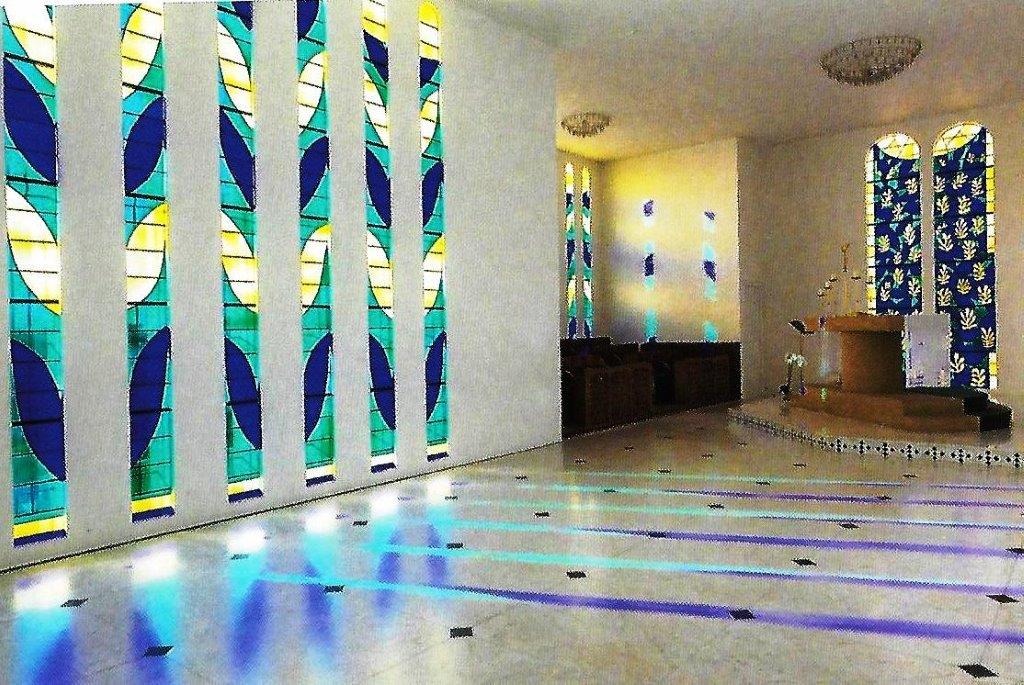
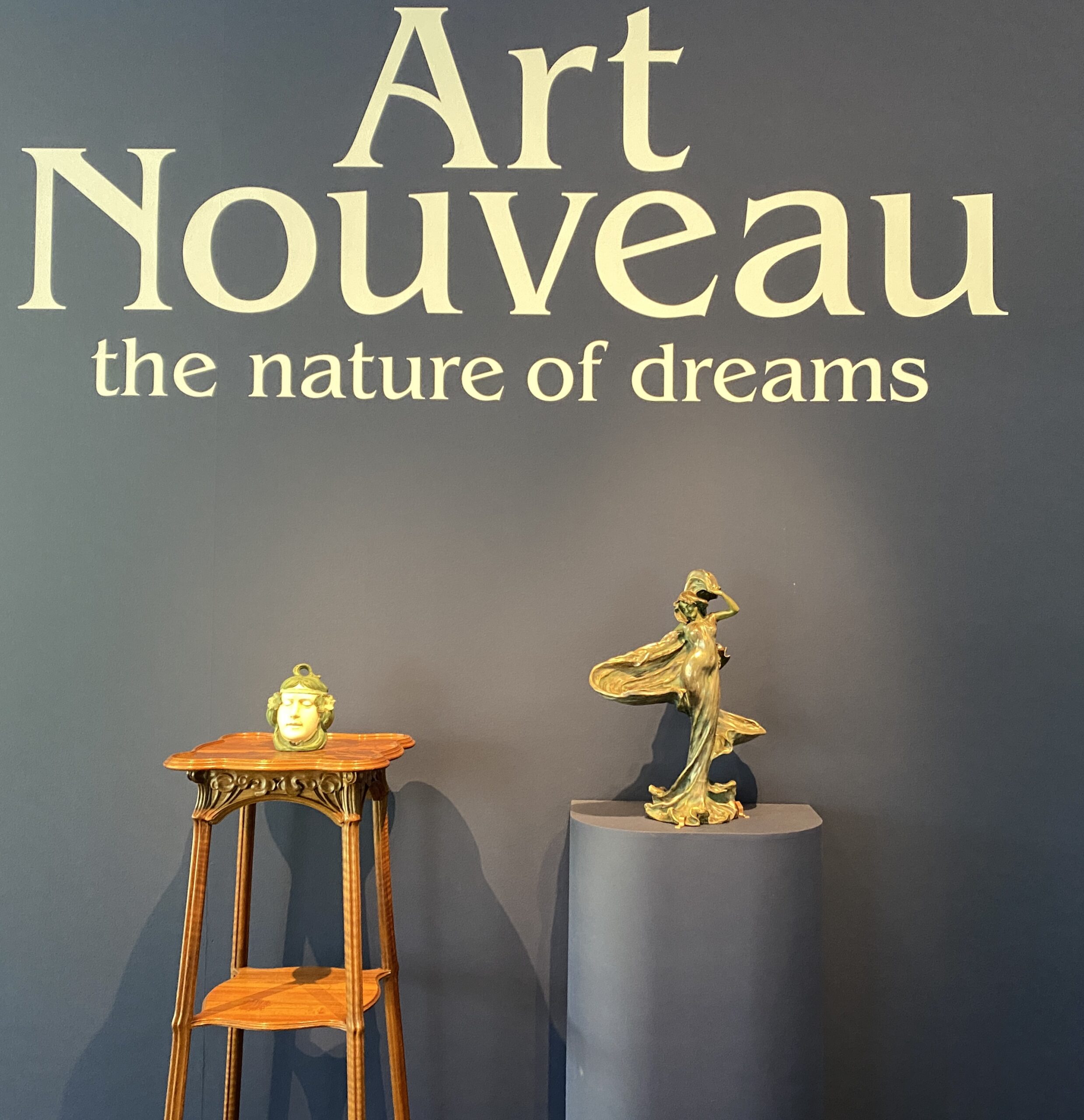
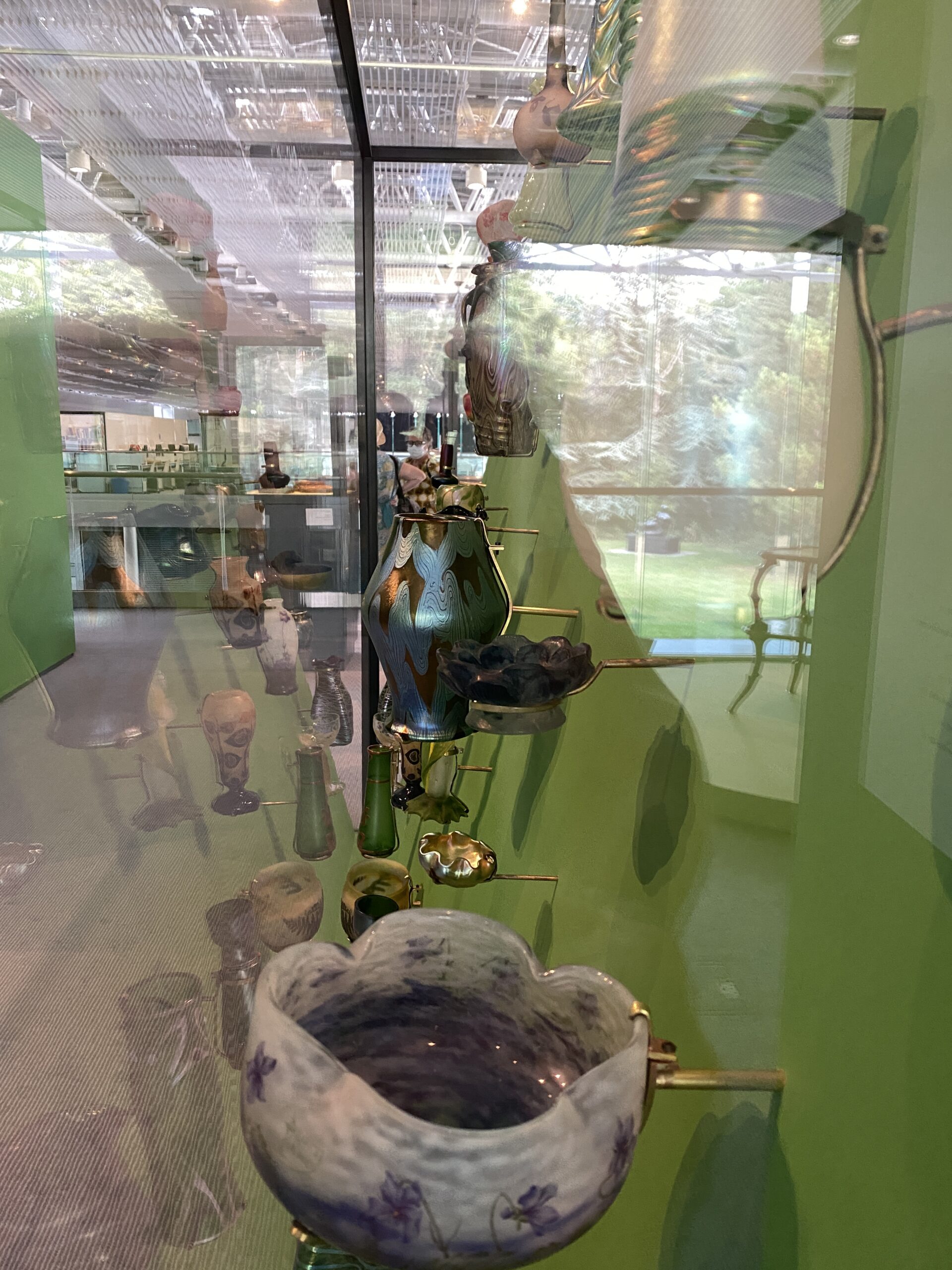
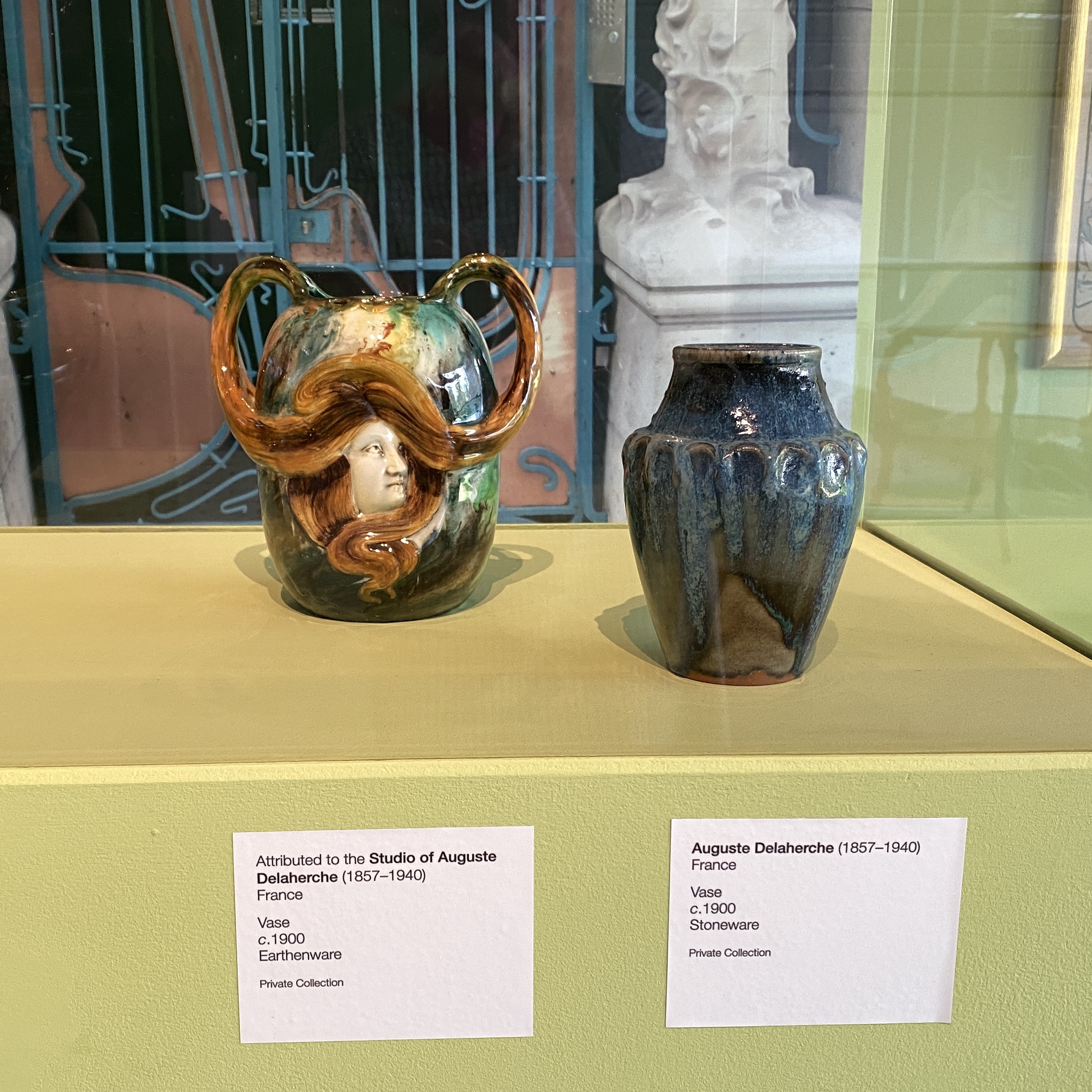
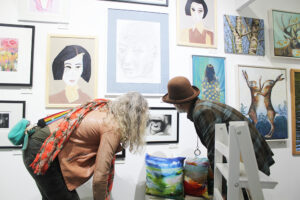
The Art Nouveau exhibition at the Sainsbury Centre for the Visual Arts in Norwich is a small but beautiful exhibition on the mezzanine floor. I visited in August. With plenty of space between exhibits, it’s easy to keep your distance from other visitors.

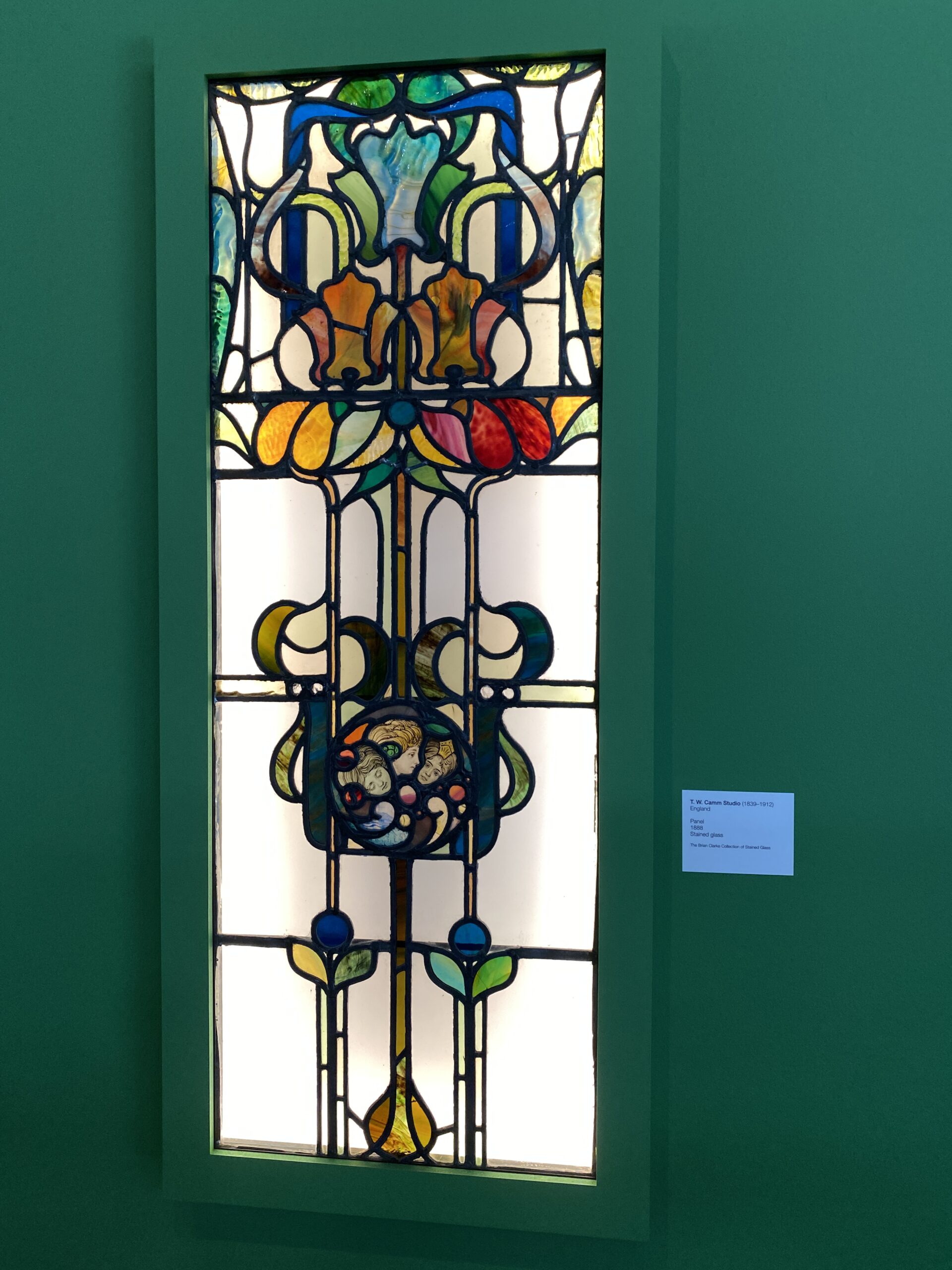
The exhibition traces Art Nouveau from its emergence in the 1890s showing that by 1900 it was a dominant force in new design. Its exponents were interested in symbolism and psychology combining them with imagery from nature.
They also sought to revive good workmanship, raise the status of craft, and produce genuinely modern design reflecting the utility of the items they were creating.

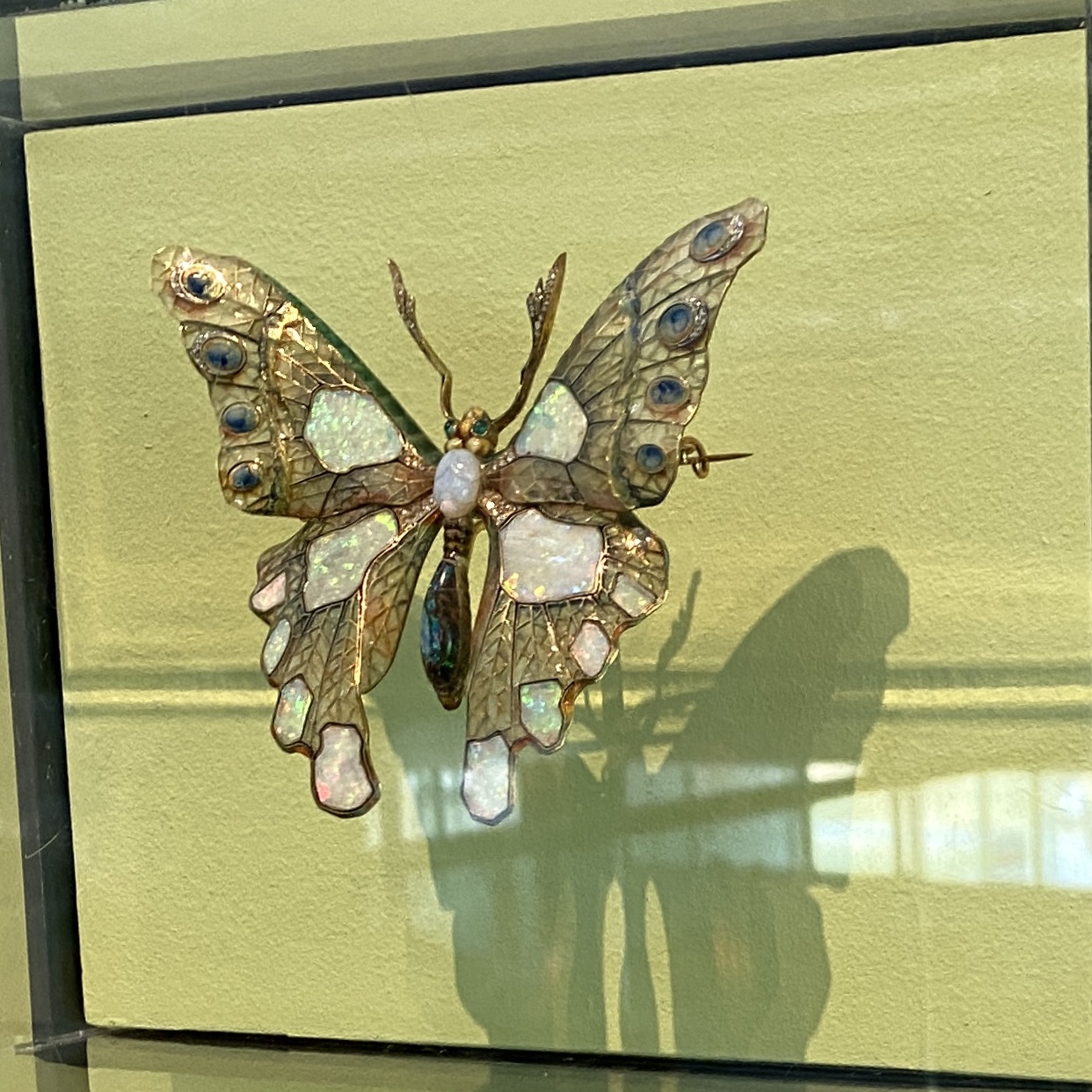
The curators have taken a broad view with examples of paintings, sculpture, architecture and household design from across Europe. Anything could be of the style, from a tiny brooch to a building.

Whilst it could be said to have its roots in English art and design it never really came to fruition in England. However, in Scotland the Glasgow School of Art developed its own approach.
The exhibition traces how it blossomed in Belgium and France. In Spain, the Catalan artists took it up with Antoni Gaudi being its most famous proponent.

By 1912 the movement was already fading leaving behind some of the most intensely ornamental buildings, furnishings accessories, jewelry and decoration in the history of art, so recognizable today.

It has an enduring appeal. For example, the posters, as shown in the exhibition, by Alfons Mucha, initially made famous by his depiction of Sara Bernhardt, are still sold. Some of the exhibits such as ceramic tableware and wall tiles still wouldn’t look out of place in the home today. The first world war ensured no revival and after the war the Art Deco movement gained prominence.

Coincidentally the Sainsbury centre has also extended the larger Art Deco exhibition which makes for a great follow on. (Chandra wrote about it for Update earlier this year. )

Art Nouveau is extended until 3rd January 2021 and Art Deco until 23rd September 2020.
So, you can have an interesting day out immersed in two art movements which had such a great influence across European art and design.

The cafe is open or,  if the weather is good, there are huge grounds sloping down to the water where you can picnic.

Michele Summers

The Garage Studio

A New Art gallery for Ringstead
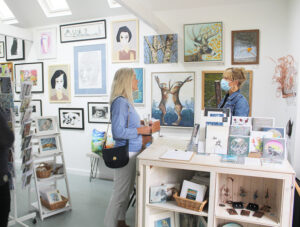
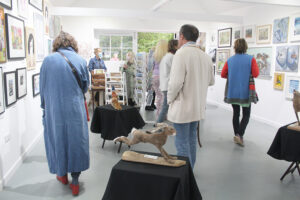
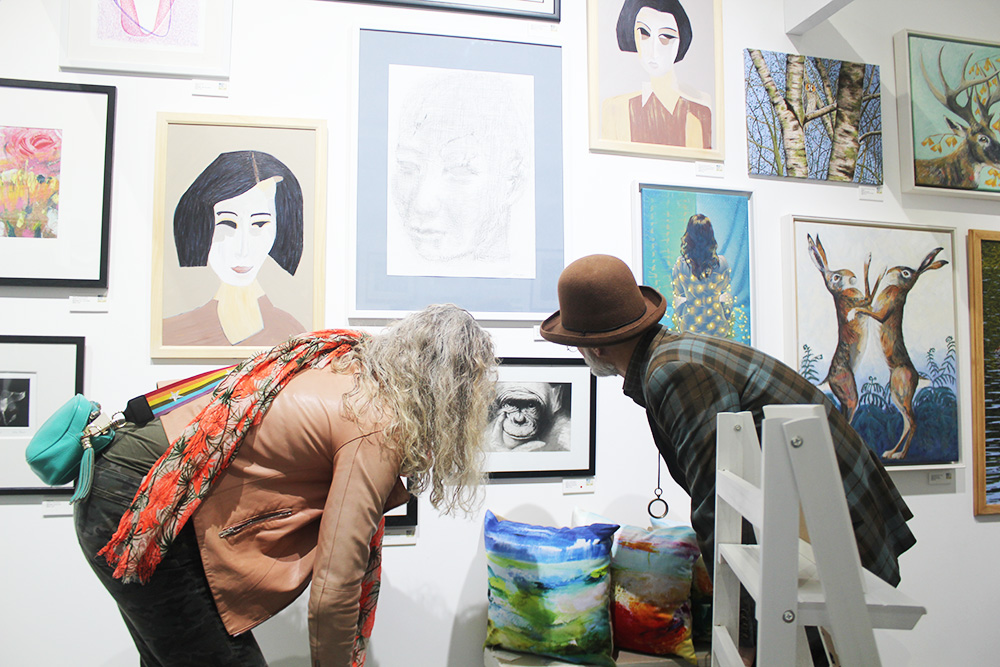
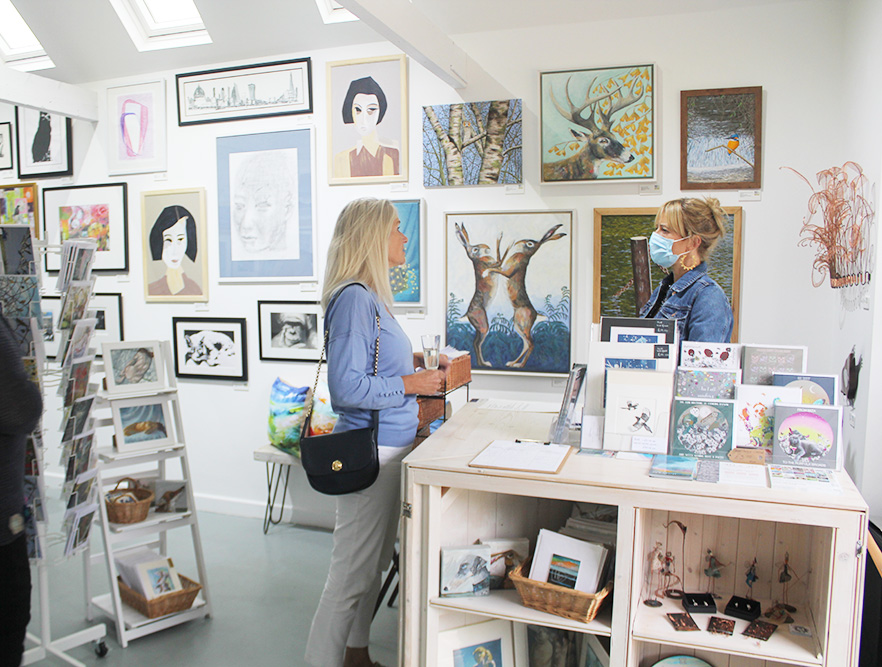
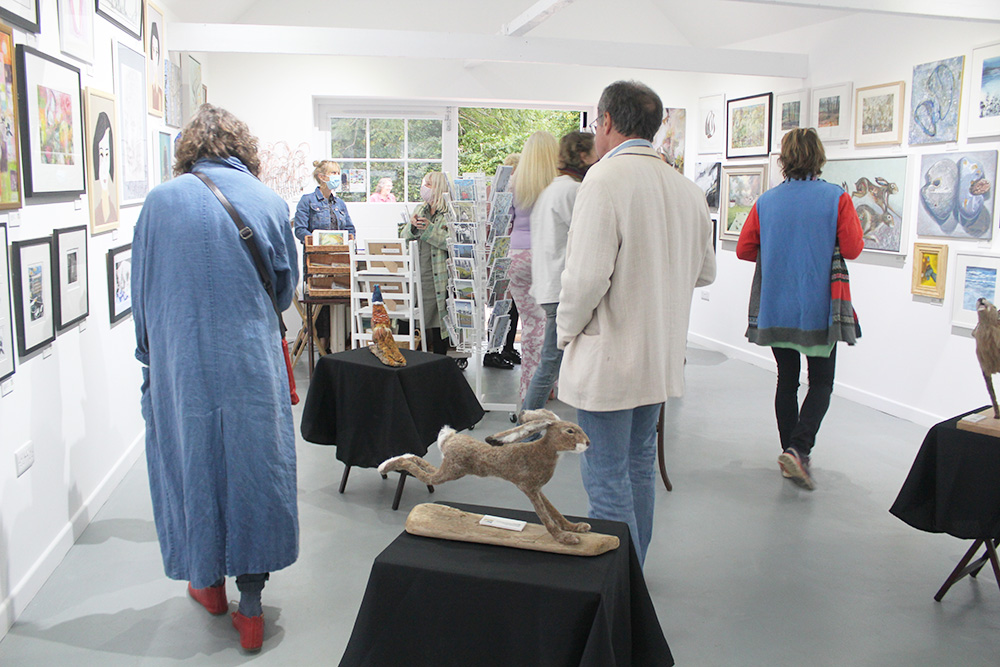
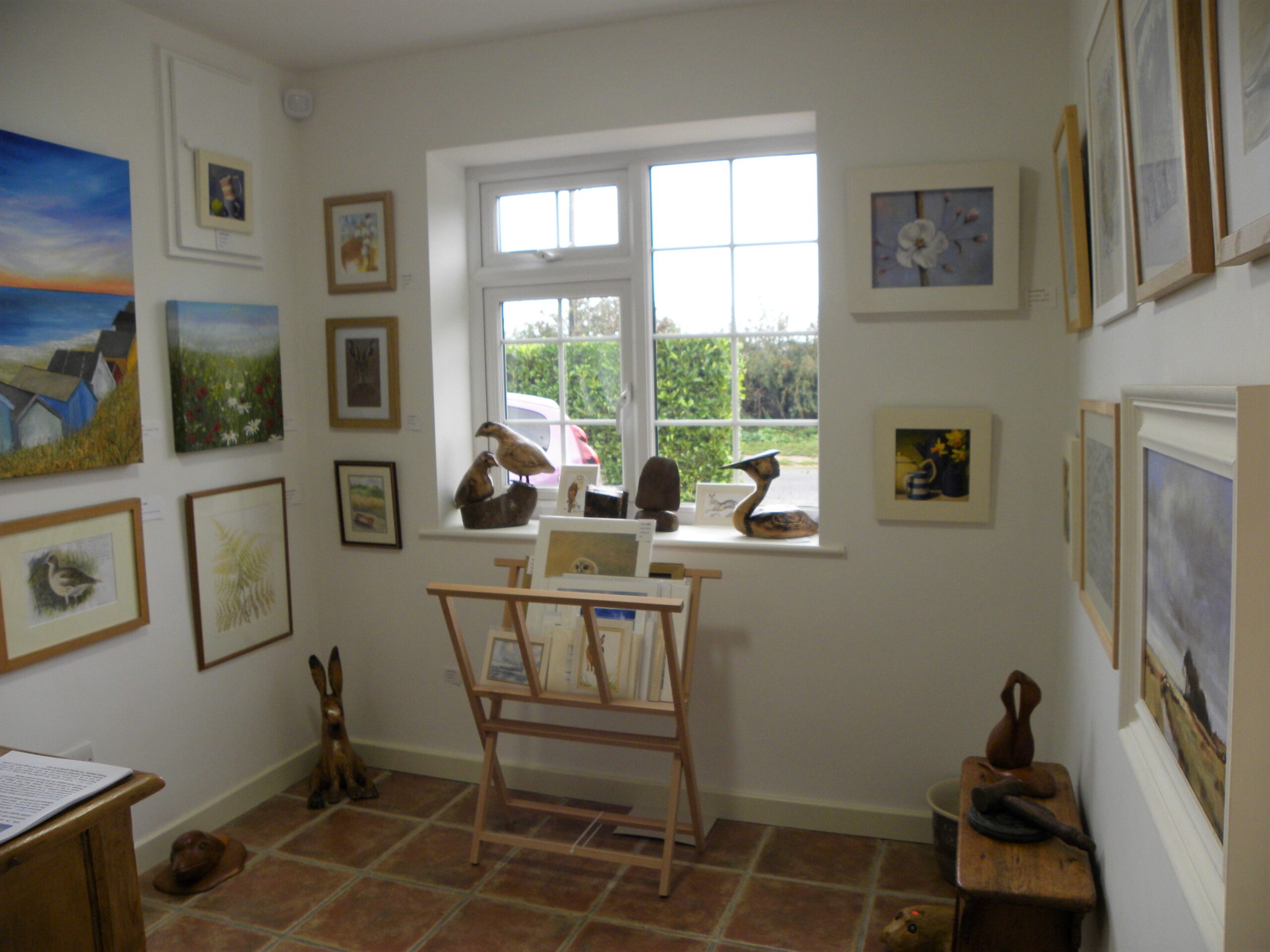
Some years ago, Ringstead lost the wonderful Art Gallery beside the Gin Trap Inn but now art is back, not in a historic or purpose-built building, but in the garage of a home.

Photographer Hanneke Robson and her husband Derek moved to Ringstead two years ago for a peaceful retirement. But delight in their new environs soon gave way to bigger plans and a new project was born. Earlier this year, Derek and Hanneke rented a piece of land on Peddars Way South with plans to create a flower meadow.

To pay for this venture, they needed funds. The idea of selling Hanneke’s photographs from their garage became an exciting option. Without (too much) protest Derek lost his man-cave and the gallery was on its way.

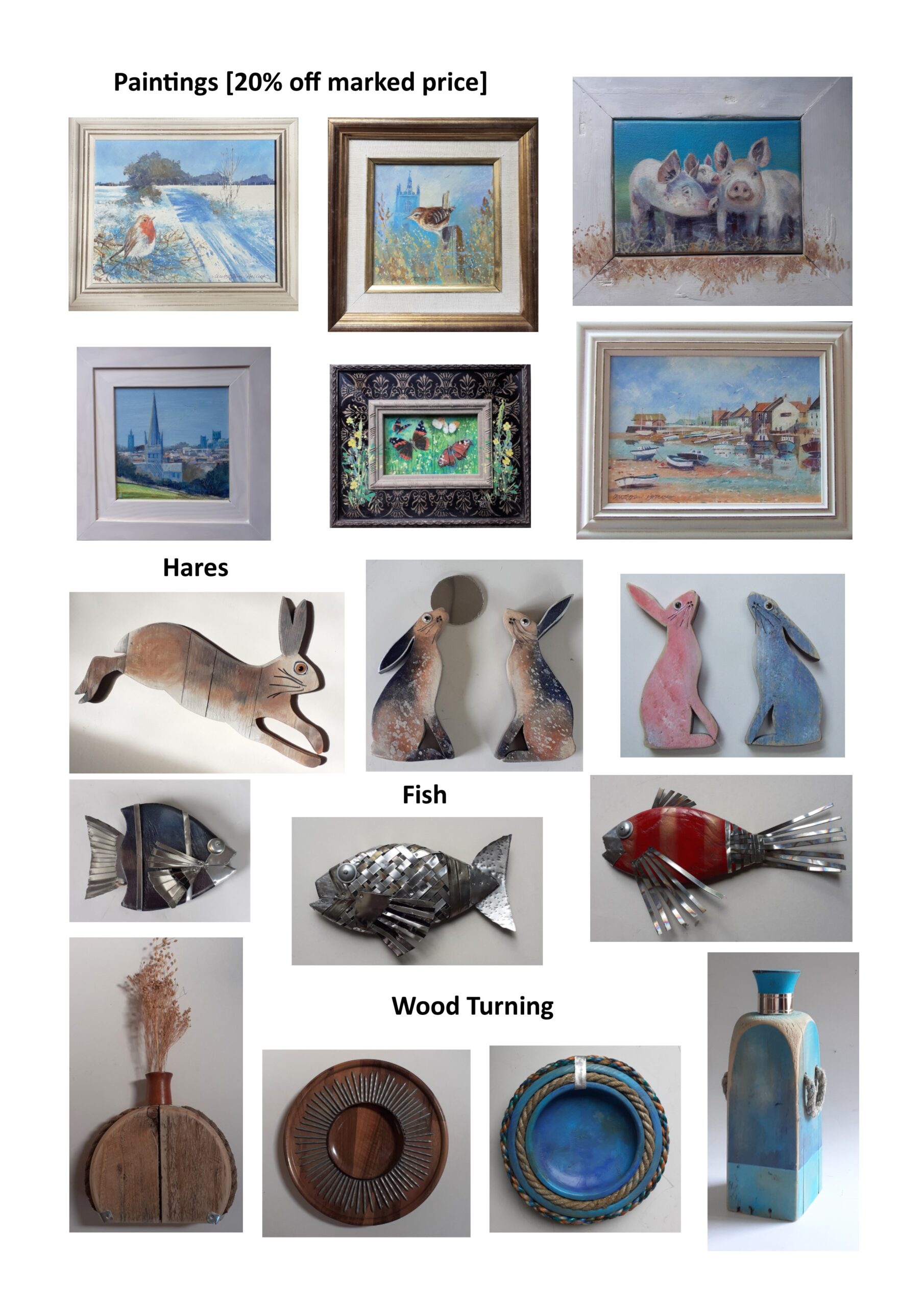
During the past months and in the teeth of Covid, Hanneke widened her ambition and acquired the work of 14 Norfolk artists including three members of WNAA: Barbara King, Julie Clark and Alison D’Oyley. Sought after works of Chris Orgill, Nicholas Elliot and Vanda Richards are also on display. `I am truly humbled,’ she says, `that these wonderful artists have put their trust in me. Their work is outstanding.’ The art Hanneke chooses is closely linked to the environment and there is something here for everyone: from impressive oils to sculpture, craft and greetings cards. Gallery commission of 20% goes in full to the creation of Peddars Meadow.

The Gallery, comprising three rooms, is open Thursday to Sunday 1pm – 5pm.
Out of hours appointments can be made. All Covid rules apply and face masks must be worn.

The Garage Studio
44 Docking Road
Ringstead
PE36 5LA

t: 01485 525 715
e: hanneke@thegaragestudionorfolk.co.uk
www.thegaragestudionorfolk.co.uk is under construction.

RHYTHMS — Links & Layers

1-11 October 2020
Handa Gallery, Wells Maltings

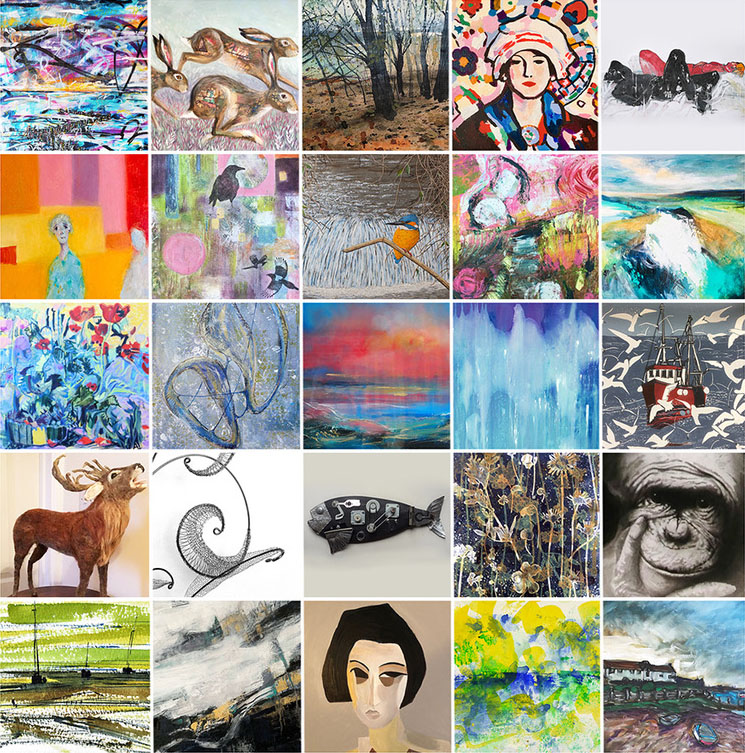
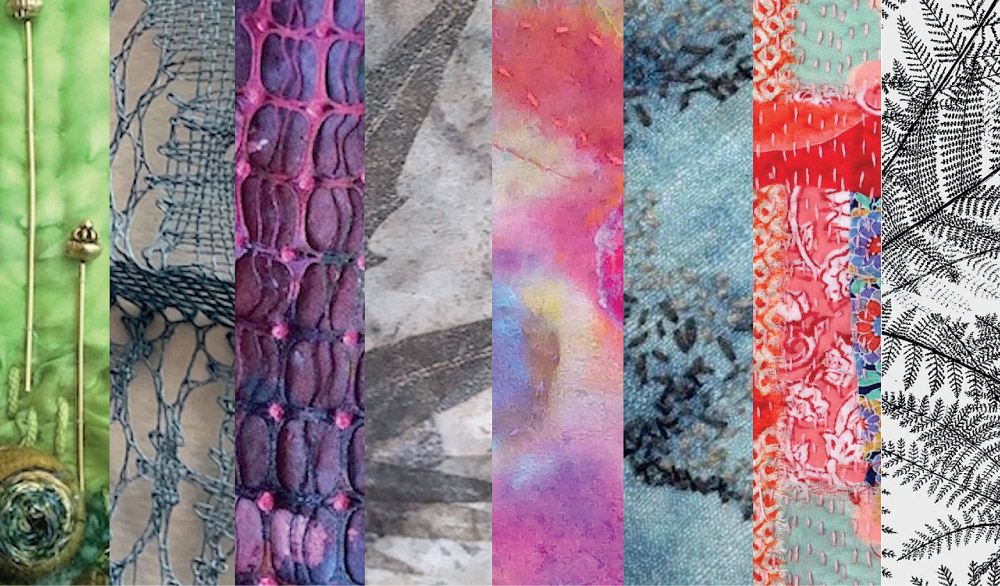
Links & Layers is a group of eight individuals, all living and working in Norfolk. Formed in 2014, our regular meetings mutually encourage, support and motivate each other’s creative development. Through collaborative practice we learn and enrich our work whilst having fun and laughter together. We are committed to our art and keen to share it with others through exhibitions, dialogue and workshops. Continue reading

Creative lockdown

We have all had such different experiences during lockdown. It would be interesting to compare how this has affected our creativity. I don’t know about you, but initially it seemed to suppress my freedom of expression and motivation and I had a real ‘block’. All that extra time and freedom to concentrate on painting and I couldn’t produce anything! Almost in desperation I joined a free online course suggested in Update – Louise Fletcher, ‘Find your Joy’ – and the very simple exercises she suggested bounced me right back to the way I love to work. (More about this course in the next issue of Update.)

I would say my way of working is based on feelings, memories and emotions conjured up by my experiences and surroundings. If you’ve seen my paintings you will know that more often than not they are heavily influenced by my garden or by our wonderful Norfolk coastline. I focus on the process. This can lead me towards unexpected results, which I don’t always expect to like!

So, even more than usual I have found myself considering and doing all of the following:

Using all those materials I’ve been storing away since I did this or that course a few years ago. Don’t hoard it, but be generous and expansive and splash it about!

Limiting the palette (which I always tend to do), but using colours I wouldn’t normally choose. Again, often left over from sets of paint given as a gift or as part of a course. I’m sure we’ve all got lots of unused colours.

I’ve run out of canvases, so have been using anything to hand – old bits of board in the shed, printer paper etc. It’s been good to work on a different scale and not worrying about what it all costs is very liberating. I’ve rediscovered old half empty sketchbooks and enjoyed filling the pages with experiments and notes, using different tools and media.

As I used to say to students when I was teaching, ‘you can’t get it wrong’, even if you don’t always like the results. Be prepared to fail, as this means you are taking risks and are more likely to be open to new ideas. But most of all enjoy yourself!

Lesley Williams

Cat and Robin Layered Papercut

click on images to enlarge them

I was asked how I did the cat and robin layered papercut.
For this article I have simplified the stages, number of layers and individual pieces used.
From a master drawing, on A4 (60gm) tracing paper I traced guidelines to create a 10” x 7” image (inclusive of 1/2” bleed all around) to be cut down to a 9” x 6” finished image.


MY BASIC PATTERN.

1. BACKGROUND.
An A4 piece of knobbly-textured watercolour board (270gms) was used to accommodate the 9” x 6” image. Fine dust was scraped off a green and a blue pastel stick – NOT oil pastel – and rubbed in with kitchen towel. The more the dust is rubbed, the smoother, less streaky, the colour becomes. I darken by adding more dust or lighten gently with a soft or plastic eraser.


WINDOW FRAME.

WINDOW FRAME.

2. WINDOW FRAME.
Using 100gm white paper – 7” square – the 4 glass panes were cut out. An ink pen divided the upper and lower portions and defined the right-hand border.


PATTERN FOR LEAVES.

PATTERN FOR LEAVES.

3. THE LEAVES.
In one piece, the leaves were carefully cut out of 100gm paper with a scalpel. Coloured with yellow and light green, pastel dust was rubbed in with cotton buds. For deeper colour I stroked the cotton bud along the pastel stick and rubbed heavily on the ends of the leaves. To fix the position of the leaves behind the window frame, I used 112gm tracing paper to trace and indicate the upper and lower removed panes. Leaf pattern is shown in green. Red areas denote holes cut out.


Robin & Cat

Robin & Cat

4. ROBIN.
The 5/8” robin was drastically reduced, in 2 stages, from a 51/2” original drawing of mine. Cut out (very fiddly!) and stuck behind the bough it sits on, with claws inked on the front of the bough. When all three of these parts were finished, the leaves and robin were glued behind the frame and then glued onto the background, using the first traced pattern to show its position.


5. CAT.
The pattern for the cat is shown to the right, together with an upper body support. Made from 3 pieces I used a light box to lay this tracing on, and with heavyweight cartridge paper (220gms) laid over, I gently drew the shapes and markings, which I inked in before cutting out.
The face can be put on the body base at any angle, with a bit of the top black showing between the ears. The furry back is stuck on the body base too. A white area (shown red for clarity) is cut alongside the black left shoulder, to form a white right shoulder flap to glue under the cat base to hold its position. (See PDF 5 for how I placed it.) I put the complete cat aside and heavily inked under the window frame. I glued a piece of wallpaper to show under the windowsill.

6. WINDOWSILL.
I made this from pale tinted and spotted 100gm paper, wider (1 5/8”) than first planned. A 3/16” piece was cut to represent the edge, not obvious when scanned. Allowing a tiny gap of the black ink to show under the window frame, I glued the windowsill over the wallpaper.

7. CURTAINS and PELMET.
Using textured, off-cream paper (220gms), I cut 2 pieces (10” x 2 1/8”) and gently marked both at top and bottom 1”, 1/2” and 5/8”. I scored and folded down the 1” mark. I turned both over and scored down the 5/8” mark. Looking end on, the paper was Z-shaped. Using the same textured paper, the pelmet was cut 7” x 1” long.
Opening the 2 curtain shapes, I coloured the 5/8” areas only, in a heavily applied red pastel dust, rubbing it in to give a patterned effect. Before sticking both the 1” sides down on the red, I slid in a spare piece of paper to protect the red and covered the wider sides in pale mauve pastel dust, rubbing it in vigorously, to achieve the same patterned effect. Spare paper removed, the mauve was stuck down over the red. The pelmet was coloured the same way. Each curtain was stuck down from the 10” side edges. The pelmet was stuck down over the curtains from the top 7” edge. The curtained window was placed on clean paper, another clean sheet placed over it and under 2 heavy books.

8. COMPLETION.
Using the image to the left as a guide, I glued the cat, with its upper body support on the back, to the window frame and sill. Finally, I trimmed 1/2” off all around to give the 9” x 6” picture. There is no need to do so if the artwork is to be framed.
Final word: to enhance the glass appearance, I put a thin sheet of cellophane between the window frame and leaves. When scanned, it gave a flare mark in the lower left panel. So, leave it out, it was not a good idea!

*** FINIS ***

David Cook

Musings of an Amateur Artist

Debbie 60th birthday Oil on board.

Debbie 60th birthday Oil on board.

I paint because I enjoy it – not because I’m good at it.

This title was paraphrased from a T-shirt I saw about playing a guitar, which I also happen to do with a fairly amateur level of competence. So, I thought the sentiment was particularly relevant to me and my painting.

As a self-taught, (except for a few short weekend courses) amateur painter who has only been painting for a few years, I am aware of my limitation and ability and that much of my work is below “artist” standard. However, despite this, the most important thing for me is that painting gives me enormous pleasure. That doesn’t mean that I am content with the level that I am at. I still wish to improve and develop from a “hobbyist” to an artist.

I am convinced that being a member of WNAA has improved my art and will continue to do so. Meeting and talking to other members about their art and seeing members art at the “live” exhibitions but also, to a lesser extent, the on-line exhibitions and challenges, is a great inspiration.

Like most members, I suspect, I greatly miss the live exhibitions. However, the on-line challenges have been helpful to me. They have given me a nudge in different directions from my usual style. I regret having not taken part in the self-portrait challenge, lacking confidence as I had never painted any portrait. I have since completed my first and really enjoyed doing it.

I enjoy being on the WNAA committee, doing what I can to help the rest of the committee do what we can for the benefit of all WNAA members and I hope to continue to do this.

I look forward to when we can all get together to chat and see each other’s art. In the meantime, stay safe everyone.

Chris Peel